 February 2026 in “International Journal of Advanced Research in Science Communication and Technology”
 Herbal anti-dandruff shampoos can be as effective as synthetic ones, with fewer side effects.
 January 2026 in “Frontiers in Cellular Neuroscience”
 Neurosteroids like neuro-estrogen and neuro-androgen are crucial for brain function and can improve cognition and protect against aging-related decline.

Lack of certain cells causes abnormal nipple development and nursing failure.

Ca²⁺-mediated protein citrullination controls cell growth in the CNS and may help treat brain tumors.
 December 2025 in “Therya notes”
 Bats in Puebla, Mexico, show hair loss likely due to environmental stress from human activities.
 December 2025 in “Al-Iraqia Medical College Journal”
 Virus infection risk is linked to heat tolerance and size, but decreases with high humidity and mutation rate.
 November 2025 in “Journal of Contemporary Medicine”
 Women with PCOS have higher cardiometabolic risks.
 November 2025 in “Jurnal Pendidikan Indonesia”
 All stray cats in the area have ectoparasite infestations.
 November 2025 in “Kufa Journal of Engineering”
 AI can effectively detect hair and scalp disorders from images.
 November 2025 in “Clinical Cosmetic and Investigational Dermatology”
 LIPH mutations cause woolly hair in some Chinese people.
 November 2025 in “Clinical Cosmetic and Investigational Dermatology”
 Digital microscopy can help diagnose hirsutism by measuring hair growth.
 August 2025 in “International Journal For Multidisciplinary Research”
 Adaptive coping reduces PCOS symptoms, while maladaptive coping worsens them.
Individualized treatment improves symptoms and quality of life for women with PCOS.

SNP rs2479106 in the DENND1A gene may increase PCOS risk in Saudi Arabian females.
 June 2025 in “Journal of Endocrinological Investigation”
 Adrenal disorders often cause high blood pressure in young people.
 April 2025 in “INTERANTIONAL JOURNAL OF SCIENTIFIC RESEARCH IN ENGINEERING AND MANAGEMENT”
 Hair histology helps identify animal species in forensic investigations.
 March 2025 in “Pakistan Journal of Scientific & Industrial Research Series A Physical Sciences”
 Personalized management and lifestyle changes are key to effectively managing PCOS.
 March 2025 in “Buletin Veteriner Udayana”
 The cat's scabies and pneumonia improved significantly with treatment.
 January 2025 in “Directory of Open access Books (OAPEN Foundation)”
 PCOS affects women's hormones and metabolism, but can be managed with lifestyle changes and treatments.
 January 2025 in “International Journal of Herbal Medicine”
 Herbs like neem, tulsi, and tea tree oil may treat dandruff without side effects.
 January 2025 in “Epsilon Archive for Student Projects (University of Southampton)”
 Mange and orf are present in some goat herds in Zambia, but more research is needed.
 December 2024 in “Research Journal for Social Affairs”
 PCOS causes hormonal issues and infertility, with treatment options including medication and lifestyle changes.
 November 2024 in “Communities in ADDI (University of the Basque Country)”
 Antisense oligonucleotides show promise for treating Myotonic Dystrophy type I.
 October 2024 in “Asian Pacific Journal of Cancer Prevention”
 Cnicus Benedictus leaf extract can kill cervical cancer cells without harming normal cells.
 August 2024 in “Anatomía Digital”
 La cirugía reconstructiva restaura el cuerpo después de daños, usando avances como impresión 3D, pero enfrenta desafíos y requiere apoyo psicológico y rehabilitación.

Removing SIX1 in fat cells reduces skin fibrosis.
 May 2024 in “Journal of drug delivery and therapeutics”
 Women with PCOS have higher oxidative stress and hormone imbalances, suggesting managing oxidative stress could help.
Early detection and comprehensive treatment of PCOS are crucial due to its long-term health impacts and associated risks.
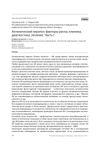 April 2024 in “Dermatovenerologiâ, kosmetologiâ”
 Actinic keratosis is a sun-induced skin condition that can potentially turn into skin cancer and requires various treatments to prevent this.
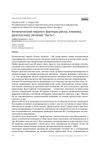 April 2024 in “Dermatovenerologiâ, kosmetologiâ”
 Actinic keratosis is a sun-induced skin condition that can potentially turn into skin cancer and requires treatment to prevent malignancy.