7 citations
,
August 2024 in “Skin Research and Technology” The study's findings are unreliable due to retraction.
Low-level laser therapy is a safe, painless method that effectively treats acne and improves skin without post-treatment care.
September 2021 in “Zenodo (CERN European Organization for Nuclear Research)” The new laser is effective, safe, and fast for permanent hair removal.
1 citations
,
February 2025 in “Archives of Dermatological Research” Using Excimer light with topical steroids is the most effective treatment for alopecia areata.
 13 citations
,
April 2016 in “Journal of Dermatology”
13 citations
,
April 2016 in “Journal of Dermatology” 308-nm excimer light therapy helped over a third of treatment-resistant alopecia universalis patients regrow most of their hair.
22 citations
,
September 2022 in “Medicina” Using two types of lasers together improves skin tone and collagen remodeling.
19 citations
,
August 2018 in “Journal of the American Academy of Dermatology” Both lasers are equally effective and safe for treating freckles.
 November 2023 in “Deleted Journal”
 Combining laser and corticosteroid is not better than corticosteroid alone for treating frontal fibrosing alopecia.
 October 1997 in “Dermatologic Surgery”
 The Epilight Hair Removal System is effective for temporary hair removal with few side effects, but more research is needed to confirm its safety and long-term results.
8 citations
,
January 2023 in “Skin Research and Technology” The laser treatment effectively and safely reduces post-acne redness in adult Chinese patients.
1 citations
,
November 2023 in “Skin Appendage Disorders” 308 nm excimer lamp therapy is effective for alopecia areata but less so for severe cases.
 1 citations
,
November 2020 in “Journal of Cosmetic Dermatology”
1 citations
,
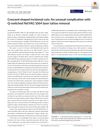
November 2020 in “Journal of Cosmetic Dermatology” A man got unusual crescent-shaped cuts from a laser tattoo removal due to a laser technical issue, but healed without scars.
9 citations
,
April 2019 in “Dermatologic Therapy” The 1,064-nm Nd:YAG laser is versatile and effective for treating leg veins, hair removal, and skin rejuvenation, especially in darker skin types.
 January 2015 in “Przegla̧d dermatologiczny”
 308 nm excimer light therapy may help hair regrowth in alopecia areata with delayed results and no serious side effects.
The laser treatment effectively and safely improves hair lightening, pigment clearance, and skin rejuvenation.
 10 citations
,
January 2007 in “Journal of cosmetic and laser therapy”
10 citations
,
January 2007 in “Journal of cosmetic and laser therapy” The IPL device is safe, effective, and has high patient satisfaction for hair removal.
 4 citations
,
January 2020 in “Lasers in Surgery and Medicine”
4 citations
,
January 2020 in “Lasers in Surgery and Medicine” Using a 308-nm excimer lamp with minoxidil promotes hair growth in Alopecia Areata patients, especially younger ones or those with smaller bald spots.
 January 1998 in “Lasers in Surgery and Medicine”
 Lasers are effective and safe for various medical treatments, including cancer, wound healing, and skin conditions.
 1 citations
,
April 2018 in “Lasers in Surgery and Medicine”
1 citations
,
April 2018 in “Lasers in Surgery and Medicine” New treatments and technologies in laser medicine show promise for improving skin conditions, fat reduction, cancer treatment, wound healing, and hair restoration.
September 2020 in “Journal of Mind and Medical Sciences” Combining NdYag laser with pulsed light effectively treats rosacea with manageable side effects.
36 citations
,
June 2016 in “Journal of dermatological treatment” The combination therapy significantly improved Riehl’s melanosis in patients without serious side effects.
 February 2009 in “Journal of The American Academy of Dermatology”
 Fractional infrared technology is effective and safe for treating cervical laxity.
 February 2026 in “Cureus”
 The Q-switched ruby laser effectively lightened eyebrow tattoos but may reduce eyebrow hair density.
December 2025 in “Lasers in Surgery and Medicine” 11 citations
,
June 2010 in “Dermatologic surgery” The dual-wavelength laser system effectively reduces EFFC symptoms with minimal side effects.
1 citations
,
January 2024 in “Dermatologic Therapy” Combining tacrolimus with excimer light is more effective for treating alopecia areata than using excimer light alone.
 November 2023 in “Journal of cosmetic dermatology”
 The 595-nm pulsed dye laser effectively reduces symptoms of EFFC with minimal side effects.
September 1998 in “Journal of the European Academy of Dermatology and Venereology”  2 citations
,
March 2019 in “Lasers in surgery and medicine”
2 citations
,
March 2019 in “Lasers in surgery and medicine” Higher light doses cause more damage to hair follicles, predicting better hair removal results.
4 citations
,
August 2015 in “JEADV. Journal of the European Academy of Dermatology and Venereology/Journal of the European Academy of Dermatology and Venereology” Both fixed and incremental laser treatments effectively reduced underarm hair, but the fixed method was less painful.