January 2026 in “Zenodo (CERN European Organization for Nuclear Research)” Amalaki improves health in many areas, including cholesterol, blood sugar, and liver function, with no serious side effects.
January 2026 in “International journal of Indian medicine” Ayurvedic treatment can effectively regrow hair in alopecia areata without side effects.
 9 citations
,
May 2019 in “Journal of dermatological treatment”
9 citations
,
May 2019 in “Journal of dermatological treatment” Apremilast helps regrow hair in hard-to-treat alopecia areata.
 6 citations
,
November 2018 in “Photodiagnosis and Photodynamic Therapy”
6 citations
,
November 2018 in “Photodiagnosis and Photodynamic Therapy” A wearable cap-like device using light therapy reduced scalp skin lesions by 71% and was painless.
 October 2024 in “Canadian Journal of Health Technologies”
 Olumiant should be covered for severe alopecia areata if certain conditions are met.
 November 2025 in “SKIN The Journal of Cutaneous Medicine”
 Upadacitinib effectively treats severe alopecia areata and is safe.
June 2026 in “International Journal of Advances in Medicine” Ayurvedic treatments can effectively regrow hair in alopecia areata.
 April 2026 in “International Journal of Homoeopathic Sciences”
 Kali carbonicum helped regrow beard hair and reduce anxiety in a man with alopecia areata barbae.
January 2026 in “Zenodo (CERN European Organization for Nuclear Research)” Amalaki improves cholesterol, blood sugar, inflammation, and liver function without serious side effects.
Olumiant® (Baricitinib) is effective for treating hair loss from Alopecia Areata.
 November 2025 in “Zenodo (CERN European Organization for Nuclear Research)”
 Ayurvedic treatment successfully regrew hair in a case of alopecia areata.
6 citations
,
September 2017 in “Journal of Ayurvedic and Herbal Medicine” Ayurvedic treatment effectively managed hair loss from alopecia areata without side effects.
April 2025 in “Journal of Ayurveda and Integrated Medical Sciences” Ayurvedic treatment led to significant hair regrowth in an 11-year-old with alopecia areata.
 July 2025 in “International Journal of Ayurveda and Pharma Research”
 Ayurvedic treatment improved hair condition and density safely in a woman with hair loss.
 January 2026 in “Frontiers in Bioscience-Landmark”
 Araliadiol protects skin cells from damage by boosting antioxidant defenses.
 December 2023 in “Journal of health and rehabilitation research”
 Oral Apremilast effectively treats alopecia areata in most patients.
November 2024 in “International Journal Of Ayurvedic And Herbal Medicine” Ayurvedic treatment effectively improved patchy hair loss in a 25-year-old male.
1 citations
,
January 2019 in “International Research Journal of Ayurveda & Yoga” Ayurvedic treatment successfully promoted hair regrowth in alopecia areata.
 January 2026 in “AYUSHDHARA”
 Prachanna followed by Chirabilwa lepa is more effective for alopecia areata than Prachanna followed by Gunja lepa.
 April 2024 in “Journal of Ayurveda and Integrated Medical Sciences”
 Aaditya Pak Guduchi Tail effectively reduces hair fall and dryness, helping prevent baldness.
 November 2025 in “Zenodo (CERN European Organization for Nuclear Research)”
 Ayurveda can effectively treat alopecia areata, leading to hair regrowth.
3 citations
,
May 2025 in “Carbohydrate Polymers” The new microneedle patch effectively treats alopecia areata with fewer side effects than oral medication.
 May 2026 in “International Research Journal of Ayurveda & Yoga”
 Certain physical traits can lead to health issues and need ongoing management.
 January 2026 in “Zenodo (CERN European Organization for Nuclear Research)”
 An integrated treatment approach effectively managed plaque psoriasis, leading to complete symptom resolution and hair regrowth.
 July 2022 in “Media Dermato Venereologica Indonesiana”
 The combination of PRP and triamcinolone injections improved hair growth in a man with alopecia areata.
 61 citations
,
January 2015 in “Indian Journal of Plastic Surgery”
61 citations
,
January 2015 in “Indian Journal of Plastic Surgery” Platelet-rich plasma treatment could potentially be an effective way to treat chronic alopecia areata with minimal side effects.
 April 2023 in “The journal of investigative dermatology/Journal of investigative dermatology”
 Ritlecitinib significantly improves scalp hair regrowth in alopecia areata patients over time.
 January 2026 in “Zenodo (CERN European Organization for Nuclear Research)”
 An integrated treatment approach effectively managed plaque psoriasis, leading to complete symptom resolution and hair regrowth.
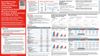 November 2025 in “SKIN The Journal of Cutaneous Medicine”
 Baricitinib works better in adolescents than adults for treating severe alopecia areata.
January 2022 in “International Journal of Pharmacognosy and Pharmaceutical Sciences” Semecarpus anacardium Linn. has multiple medicinal benefits, including anti-inflammatory and antioxidant effects.