 2 citations
,
January 2020 in “Journal of Pharmacognosy and Phytochemistry”
2 citations
,
January 2020 in “Journal of Pharmacognosy and Phytochemistry” Eclipta alba may help with hair growth, memory, and various health issues.
 1 citations
,
April 2021 in “Plant Archives/Plant archives”
1 citations
,
April 2021 in “Plant Archives/Plant archives” Onions may help reduce cancer risk and obesity-related issues.
December 2025 in “Pharmacological Research - Natural Products” Shrimp extracts may help heal burns and fight bacteria.
 November 2024 in “Apple Academic Press eBooks”
 Garlic chives have many health benefits and potential for drug development.
 September 2023 in “Apple Academic Press eBooks”
 Rosemary has many health benefits and is used in medicine and cosmetics.
2 citations
,
November 2025 in “Biomedicines” Platelet- and marrow-derived biologics help heal tissues and reduce infections but need standardized methods for better use.
 April 2025 in “International Journal of Ayurvedic Medicine”
 Semecarpus anacardium Linn. may have health benefits, but more research is needed to confirm its safety and effectiveness.
 January 2024 in “Biochemistry Research International”
 Compounds from Ziziphus spina-christi roots show strong antibacterial and antioxidant potential.
Certain Chinese herbs may help treat kidney fibrosis by targeting TGF-β.
 May 2022 in “Research Square (Research Square)”
 Certain Chinese herbs may help treat kidney fibrosis by targeting TGF-β.
 May 2022 in “International Journal for Research in Applied Science and Engineering Technology”
 Eclipta prostrata has potential as a natural antibiotic.
2 citations
,
November 2025 in “British Journal of Pharmacology” Daprodustat, combined with PAβN, could be a new antibacterial treatment.
Artemisia maritima L. has strong medicinal potential, especially for treating infections and inflammation.
 April 2026 in “Journal of Microbiology Biotechnology and Food Sciences”
 Carthamus caeruleus leaves are a good source of natural antioxidants and antibacterial agents.
 January 2025 in “Journal of Pharmacognosy and Phytochemistry”
 Vitex negundo has potential health benefits, including anti-inflammatory and anti-cancer effects.
 July 2026 in “Regenerative medicine reports .”
 Nanoparticle-enhanced treatments improve burn healing in rats but need more testing for human use.
 May 2025 in “Baghdad Journal of Biochemistry and Applied Biological Sciences”
 Adiantum capillus-veneris has many health benefits, including fighting bacteria, reducing inflammation, and helping with hair loss and infections.
3 citations
,
January 2023 in “Journal of Biomedical and Allied Research” Calotropis gigantea has potential health benefits, including antibacterial and anti-inflammatory effects.
 September 2025 in “Cell Biochemistry and Function”
 Mg-doped ZnO nanoparticles from plant extract effectively heal second-degree burns.
July 2024 in “Quality in Sport” Rosemary oil may help with health and beauty, but more research is needed.
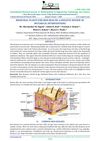 March 2024 in “International Research Journal Of Modernization In Engineering Technology And Science”
 Certain plants like Aloe vera and Neem are effective and safe for treating various skin conditions.
 2 citations
,
August 2023 in “Life”
2 citations
,
August 2023 in “Life” Bioinspired polymers are promising for advanced medical treatments and tissue repair.
5 citations
,
May 2024 in “Molecules” Glycyrrhetinic acid from licorice may help treat acne by reducing inflammation and oil production.
 June 2026 in “Zenodo (CERN European Organization for Nuclear Research)”
 The herbal antidandruff shampoo effectively fights dandruff and improves scalp health.
 June 2026 in “Zenodo (CERN European Organization for Nuclear Research)”
 The herbal shampoo effectively treats dandruff and is a promising natural alternative.
92 citations
,
February 2023 in “Antibiotics” Nanomaterials in wound dressings help fight infections and improve healing.
228 citations
,
June 2021 in “Frontiers in Immunology” Macrophage issues cause chronic wound inflammation, but therapies can help.
 15 citations
,
April 2022 in “Biointerface Research in Applied Chemistry”
15 citations
,
April 2022 in “Biointerface Research in Applied Chemistry” Medicinal plants may be an effective alternative for treating acne.
2 citations
,
September 2020 in “Swedish Journal of BioScience Research” Chitosan from Lucilia cuprina improves wound healing in diabetic mice treated with insulin.
December 2025 in “Journal of Clinical Medicine” Surgical debridement and targeted therapies can effectively heal chronic wounds in KID syndrome.