 May 2026 in “International Journal of Research Publication and Reviews”
 The polyherbal hair dye is a safe, effective, and eco-friendly alternative to synthetic dyes.
 30 citations
,
May 1999 in “Food and chemical toxicology”
30 citations
,
May 1999 in “Food and chemical toxicology” Procyanidin B-2 is safe to use on skin as a hair growth product.
2 citations
,
December 2013 in “Journal of Cosmetic Dermatology” UV treatment can damage hair, so protection is advised.
5 citations
,
March 2008 in “DMW - Deutsche Medizinische Wochenschrift” A man was poisoned with thallium, treated successfully, but still had some nerve issues after 6 months.
May 2026 in “Bulletin of Pharmaceutical Sciences Assiut” The ointment with Globularia alypum L. extract significantly increased hair growth without toxicity.
December 2024 in “Journal of the European Academy of Dermatology and Venereology” Bimatoprost shows promise for treating vitiligo, especially when combined with other therapies.
 December 2022 in “Frontiers in Pharmacology”
 Tianma Gouteng decoction may help prevent hair loss and promote hair growth.
2 citations
,
April 2024 in “Cosmetics” Plant extracts can help remove permanent makeup without lasers.
September 2025 in “Al-Nahrain Journal of Science” Aloe vera-based zinc oxide nanoparticles can kill bacteria but may harm human cells at high doses.
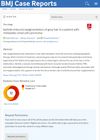 June 2025 in “BMJ Case Reports”
 Axitinib treatment turned a man's grey hair back to black.
13 citations
,
September 2017 in “International Journal of Cosmetic Science” Thioglycerol treatment at pH 9.0 with ammonia causes less hair damage and better waving than thioglycolic acid.
 28 citations
,
December 2019 in “Skin appendage disorders”
28 citations
,
December 2019 in “Skin appendage disorders” Some medications might reverse gray hair, especially those that reduce inflammation or stimulate pigment production, and vitamin B might help.
 36 citations
,
February 2017 in “BMC Complementary and Alternative Medicine”
36 citations
,
February 2017 in “BMC Complementary and Alternative Medicine” Geranium sibiricum extract helps hair grow and is more effective than minoxidil but can be toxic in high concentrations.
 December 2024 in “Journal of Biophotonics”
 Dual wavelength LEDs may help reduce hair loss by lowering DHT levels.
1 citations
,
February 2025 in “Indian Dermatology Online Journal” Surgical treatments and topical tofacitinib may help with vitiligo-related eyebrow and eyelash whitening, but more research is needed.
7 citations
,
September 1962 in “Oral Surgery Oral Medicine Oral Pathology” Triamcinolone acetonide effectively treated black hairy tongue.
PMEE may help reverse greying hair by boosting melanin production.
August 2023 in “Apple Academic Press eBooks” Spiked ginger lily has medicinal uses and promotes hair growth.
4 citations
,
June 2020 in “Processes” Geranium sibiricum may help manage diabetic complications by inhibiting a key enzyme.
October 2025 in “Our Dermatology Online” Tranexamic acid and oral retinoids may effectively treat lichen plan pigmentosus.
74 citations
,
July 1995 in “PubMed” Lowering homocyst(e)ine levels can reverse skin and hair lightening by restoring enzyme activity needed for pigmentation.
January 2025 in “Archives of Dermatological Research” 1 citations
,
September 2008 in “International Journal of Cosmetic Science” Using chelants in hair dye reduces fiber damage by preventing harmful radicals.
31 citations
,
January 2014 in “The Scientific World JOURNAL” Eclipta prostrata extract protects skin cells from UVB damage and has strong antioxidant properties.
2 citations
,
July 2025 in “Acta Pharmacologica Sinica” Isoginkgetin reduces inflammation in cells by blocking NF-κB activation.
 4 citations
,
March 2019 in “Journal of Pure and Applied Microbiology”
4 citations
,
March 2019 in “Journal of Pure and Applied Microbiology” A 940nm laser effectively reduces inflammation in rat joints.
Camel hair textiles treated with Rose Bengal effectively kill bacteria under light.
2 citations
,
July 2019 in “International Journal of Neuroscience and Behavioral Science” Thevetia peruviana bark extract reduces pain in mice and may help create new painkillers.
March 2022 in “INDIAN JOURNAL OF APPLIED RESEARCH” The Hibiscus shampoo is effective, safe, and free from harmful preservatives.
 4 citations
,
November 2018 in “Journal of Pharmaceutical and Biomedical Analysis”
4 citations
,
November 2018 in “Journal of Pharmaceutical and Biomedical Analysis” Roselle flower extracts can protect against free radical damage in UV-irradiated antibiotics.