2 citations
,
March 2025 in “PNAS Nexus” Raman spectroscopy can detect radiation exposure in mouse hair with high accuracy for up to 7 days.
2 citations
,
January 2025 in “Journal of Nanobiotechnology” A new engineered treatment shows promise in curing heart fibrosis.
2 citations
,
September 2024 in “PLoS ONE” Bendamustine combined with tucidinostat may effectively treat adult T-cell leukemia.
 2 citations
,
February 2024 in “Journal of the European Academy of Dermatology and Venereology”
2 citations
,
February 2024 in “Journal of the European Academy of Dermatology and Venereology” The study created a 27-item measure to assess the impact of skin diseases.
2 citations
,
December 2023 in “Stem Cells Translational Medicine” ISX-9 helps stem cells heal lung injury better by boosting growth factor secretion.
1 citations
,
October 2025 Smart hydrogels improve wound healing by adapting to needs and releasing medicine.
1 citations
,
September 2025 in “Cosmetics” Milk thistle can protect skin from damage and aging.
1 citations
,
August 2025 in “Seeds” Cucurbitaceae seeds, like watermelon and pumpkin, can be used in cosmetics for skin and hair benefits.
1 citations
,
August 2023 in “Animals” Chimp Haven uses a special system to check and improve the well-being of their chimpanzees, which could help other animal sanctuaries too.
 July 2026 in “Pharmaceuticals”
 Marine-derived polysaccharide nanofibers could improve wound healing but face challenges in becoming widely used.
 July 2026 in “Frontiers in Medicine”
 Regenerative therapies like PRP and exosomes show potential in hair transplantation but need more consistent evidence and standardized protocols.
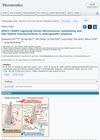 May 2026 in “Theranostics”
 Targeting DKK3–CKAP4 can help reverse hair loss in androgenetic alopecia.
 April 2026 in “Diagnostics”
 Skin changes in obesity can indicate metabolic issues but aren't reliable for assessing risk or monitoring treatment.
 April 2026 in “Preprints.org”
 Bioavailable quercetin may help improve aging signs by positively affecting gut health.
March 2026 in “Adipocyte” Spt4 and Spt6 are essential for fat cell development.
 February 2026 in “Biomedicines”
 Nanotechnology offers promising new treatments for hair loss by improving targeted delivery and addressing key causes.
 February 2026 in “International Journal of Molecular Sciences”
 Combining hyperthermia with natural compounds and conventional treatments improves cancer therapy effectiveness and reduces side effects.
January 2026 in “Burns & Trauma” RNA modifications help heal wounds and could lead to new treatments.
December 2025 in “Bioengineering” Sebum is essential for skin health but can cause acne if unbalanced.
 October 2025 in “Journal of Nanobiotechnology”
 The hydrogel helps wounds heal better by reducing inflammation and promoting skin regeneration.
October 2025 in “Science Advances” IFN-γ production by CD4 T cells is crucial for causing alopecia areata.
October 2025 in “Biomedicines” Terminalia chebula fruit extract helps hair growth by reducing DHT and boosting hair cell activity.
October 2025 in “Cosmetics” Genetic insights can lead to personalized treatments for acne, androgenetic alopecia, and alopecia areata.
July 2025 in “Pharmaceutics” Recombinant Human Annexin A5 may help treat localized scleroderma by reducing skin thickening and inflammation.
July 2025 in “Ultrasound in Medicine & Biology” UTMD with diclofenac and Doxil® improves cancer treatment by boosting immune response and reducing tumor-supporting cells.
 June 2025 in “International Journal of Computational Intelligence Systems”
 The TPAP method effectively categorizes androgenetic alopecia patients with high accuracy, but needs real-world validation.
 June 2025 in “Biomolecules”
 RORA affects hair follicle stem cells' structure and movement, potentially helping treat hair loss.
Microbial imbalances on the scalp can help diagnose and manage hair loss early.
April 2025 in “Frontiers in Pharmacology” Canagliflozin helps overcome progestin resistance in certain endometrial cancer cells.
 April 2025 in “Drug Design Development and Therapy”
 Jiawei Erzhiwan helps hair growth in androgenetic alopecia by affecting specific cell pathways.