2 citations
,
December 2023 in “International journal of molecular sciences” Wound healing is greatly affected by the types of bacteria present, which can either help or hinder the process.
 1 citations
,
December 2023 in “npj biofilms and microbiomes”
1 citations
,
December 2023 in “npj biofilms and microbiomes” Single-cell engineered biotherapeutics show promise for skin treatment but need more research and trials.
1 citations
,
January 2023 in “Science Advances” The skin's microbiome helps hair regrow by boosting certain cell signals and metabolism.
July 2026 in “Journal of Investigative Dermatology” Gut microbes influence how different fats affect skin and hair health.

Allergen reactivity in scalp seborrheic dermatitis should be managed with barrier repair and microbiome-focused strategies.
 May 2026 in “The EMBO Journal”
 Skin aging can be slowed by targeting cells, hormones, and the microbiome.
 May 2026 in “Microorganisms”
 Herbal extract shampoo improves scalp health and hair growth in seborrheic alopecia.

Improving quercetin absorption reduces aging signs in mice by benefiting gut health.
 April 2026 in “International Journal of Drug Delivery Technology”
 Natural compounds from Ayurvedic herbs may effectively treat dandruff and promote hair growth.
 April 2026 in “Preprints.org”
 Bioavailable quercetin may help improve aging signs by positively affecting gut health.
 March 2026 in “Brazilian Journal of Microbiology”
 Restoring skin bacteria may help reduce hair loss.
 March 2026 in “Frontiers in Oncology”
 Dermatologists should focus on restoring skin health and well-being in cancer survivors.
 February 2026 in “Frontiers in Microbiology”
 Skin bacteria help heal wounds and restore healthy skin.
Scalp microbiome in young women is mainly affected by sensitivity, sebum, and lifestyle.
 January 2026 in “Frontiers in Drug Discovery”
 Transforming skin disease treatment requires new strategies, better drug models, and patient-focused research.
 December 2024 in “Medicine”
 Gut bacteria may affect hair loss risk.
 June 2024 in “Current Developments in Nutrition”
 A special diet can significantly reduce skin problems in dogs.
June 2024 in “Current Developments in Nutrition” Diet changes can improve skin health by altering the immune response and skin microbiome.
 September 2023 in “Current opinion in microbiology”
 Certain fungi protect skin health, but changes can allow harmful fungi to cause serious infections, needing more research for treatment and control.
Gut bacteria may affect hair loss in people with celiac disease.
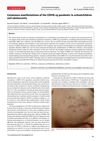 January 2023 in “Acta dermatovenerologica Alpina, Pannonica et Adriatica (Tiskana izd.)”
 The article concludes that schoolchildren and adolescents experienced various skin issues during the COVID-19 pandemic, including acne from masks and other skin reactions from the virus and vaccines.
 April 2018 in “Journal of Investigative Dermatology”
 STIM1 is essential for sweat secretion.
 April 2018 in “Journal of Investigative Dermatology”
 BLZ-100 is safe for use in skin cancer surgery and may help identify cancerous tissue.
January 2025 in “Dermatology Research and Practice” Restoring skin microbial balance may help treat acne.
 July 2019 in “bioRxiv (Cold Spring Harbor Laboratory)”
 Kashmiri women with PCOS have more Bifidobacterium in their gut.
 93 citations
,
November 2018 in “Carbohydrate Polymers”
93 citations
,
November 2018 in “Carbohydrate Polymers” New nanocomposites with copper show promise for healing burn wounds and regenerating skin.
 83 citations
,
August 2014 in “PLoS ONE”
83 citations
,
August 2014 in “PLoS ONE” All adults have Demodex mites, which vary by region.
 66 citations
,
August 2001 in “Experimental Dermatology”
66 citations
,
August 2001 in “Experimental Dermatology” Human hair follicle cells can grow hair when put into mouse skin if they stay in contact with mouse cells.
 57 citations
,
April 2002 in “The journal of investigative dermatology/Journal of investigative dermatology”
57 citations
,
April 2002 in “The journal of investigative dermatology/Journal of investigative dermatology” Vitamin D receptor is crucial for starting hair growth after birth.
 40 citations
,
November 1998 in “The journal of investigative dermatology/Journal of investigative dermatology”
40 citations
,
November 1998 in “The journal of investigative dermatology/Journal of investigative dermatology” S100A3 protein is crucial for hair shaft formation in mice.