October 2025 in “Journal of the Endocrine Society” Goserelin injections can effectively manage hyperandrogenism symptoms in postmenopausal women who can't have surgery.
February 2022 in “The Nurse Practitioner” The document aimed to improve healthcare providers' understanding of hormone therapy for transgender and nonbinary patients.
9 citations
,
May 2024 in “Journal of Clinical & Translational Endocrinology” Gender affirming hormone therapy improves outcomes in gender affirmation surgery.
April 2025 in “Experimental Eye Research” The Oat mouse model shows mild retinal degeneration, useful for testing treatments.
14 citations
,
February 1991 in “FEBS Letters” Introducing the rat OTC gene partially corrected OTC deficiency in mice.
9 citations
,
July 2024 in “Internal Medicine Journal” Gender-affirming hormone therapy improves mental health and gender incongruence but requires careful management of cardiovascular and cancer risks.
 19 citations
,
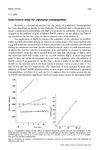
November 1971 in “Clinica Chimica Acta”
19 citations
,
November 1971 in “Clinica Chimica Acta” The document concludes that measuring γ-glutamyl transpeptidase activity is more accurate with a higher substrate concentration and using diluted acetic acid to stop the reaction.
January 2026 in “Journal of Dermatological Treatment” GT20029 showed some hair growth improvement, but longer studies are needed for better results.
 July 2024 in “Journal of Pediatric Endocrinology and Metabolism”
 Ovarian hyperthecosis should be considered in young women with severe male-like symptoms and can be managed with hormone treatments.
 August 2026 in “Bone and Joint Research”
 TTT speeds up diabetic wound healing by mobilizing specific immune cells.
6 citations
,
July 1994 in “Journal of Dermatological Science” Introducing the rat OTC gene normalized hair growth in SPF-ASH mice.
 11 citations
,
December 2018 in “Bone”
11 citations
,
December 2018 in “Bone” Removing a methyl group from the ITGAV gene speeds up bone formation in a specific type of bone disease model.
 February 2026 in “Frontiers in Medicine”
 Personalized sonidegib dosing can effectively treat Gorlin-Goltz syndrome with fewer side effects.
9 citations
,
May 2014 in “Clinical Cosmetic and Investigational Dermatology” Using tazarotene with GliSODin improves facial skin more than tazarotene alone.
September 1995 in “PubMed” Ozonized autohaemotherapy improves hair growth in people with hair loss.
 20 citations
,
October 2017 in “Clinical Endocrinology”
20 citations
,
October 2017 in “Clinical Endocrinology” The conclusion is that removing both ovaries is the best treatment for excess male hormones in postmenopausal women, with medication as another option, and managing insulin resistance is important for diagnosis and treatment.
 April 2019 in “Journal of the Endocrine Society”
 The study found that imaging might miss small ovarian tumors causing high testosterone, and suggested using certain testosterone levels and treatment responses to identify these tumors.
 1 citations
,
January 2018 in “Journal of Gynecologic Surgery”
1 citations
,
January 2018 in “Journal of Gynecologic Surgery” Removing both ovaries can treat increased testosterone and related symptoms in postmenopausal women with ovarian hyperthecosis.
 8 citations
,
October 2023 in “JMIR dermatology”
8 citations
,
October 2023 in “JMIR dermatology” ChatGPT can be a helpful dermatology resource but should not replace professional consultations.
16 citations
,
June 2022 in “Transgender Health” Oocyte retrieval is possible for transgender men on testosterone therapy without affecting fertility outcomes.
288 citations
,
January 2001 in “Journal of Biological Chemistry” Tgm2 helps stabilize dying cells and aids fibroblast attachment to the extracellular matrix.
69 citations
,
December 2015 in “BMC plant biology” Three genes in Arabidopsis are important for plant growth and development by affecting sugar attachment to proteins.
8 citations
,
June 1981 in “Clinica Chimica Acta”  May 2017 in “DOAJ (DOAJ: Directory of Open Access Journals)”
 Using GnRHa agonists helps diagnose and treat ovarian hyperthecosis when surgery isn't possible.
December 2025 in “Journal of Dermatological Treatment” GT20029 helps regrow hair in men with hair loss and is well-tolerated.
 17 citations
,
February 2019 in “Journal of Clinical Medicine”
17 citations
,
February 2019 in “Journal of Clinical Medicine” Testosterone replacement therapy should be used for men with low testosterone levels and symptoms of hypogonadism, after careful diagnosis and considering individual needs.
19 citations
,
June 1997 in “The Journal of Clinical Endocrinology & Metabolism” The treatment successfully lowered testosterone levels and reduced symptoms.
 August 2023 in “International Journal of Nanomedicine”
 A new wound healing treatment using a graphene-based material with white light speeds up healing and reduces infection and scarring.
March 2026 in “JCEM Case Reports” Surgery removed ovarian tumors, normalizing testosterone and improving symptoms.
January 2025 in “Journal of College of Physicians And Surgeons Pakistan” Minimally invasive glaucoma surgery can effectively manage glaucoma in GAPO syndrome when other treatments fail.