 June 2026 in “Dermatology and Therapy”
 Botulinum toxin type A effectively reduces pain in hair loss disorders.

Current treatments for androgenetic alopecia have limitations, and personalized approaches and new methods are needed for better results.
 May 2026 in “Journal of Basic and Clinical Health Sciences”
 FAGA shows varied hair thickness, while TE has more empty follicles.
 May 2026 in “Jurnal Sehat Indonesia (JUSINDO)”
 Low vitamin D levels may worsen or cause alopecia areata.
 April 2026 in “International Journal of Drug Delivery Technology”
 Trichoscopy is a reliable, non-invasive tool for diagnosing scalp alopecias.
 April 2026 in “Dermatology and Therapy”
 TNFα inhibitors are effective and well-tolerated for treating severe scalp cellulitis.
 March 2026 in “Journal of Skin and Sexually Transmitted Diseases”
 Long hair can cause hair loss in the middle of the scalp, and cutting it shorter helps.
 February 2026 in “Dermatology Reports”
 Trichoscopy helps diagnose and treat dissecting cellulitis early, preventing scarring.
 February 2026 in “Frontiers in Medicine”
 FUE hair transplants are generally safe but require careful planning to avoid rare complications.
 January 2026 in “Dermatology Practical & Conceptual”
 Diffuse lichen planopilaris greatly reduces quality of life.

Loose anagen hair syndrome in children may improve with age, but treatment results vary.
 January 2026 in “Dermatology Online Journal”
 CCCA can appear as patchy hair loss in younger men, not just the usual pattern.
 December 2025 in “IP Indian Journal of Clinical and Experimental Dermatology”
 Hair shaft disorders often indicate genetic or systemic issues and are managed by minimizing damage.
 December 2025 in “Cureus”
 Low serum ferritin is linked to hair loss in women.
 December 2025 in “ADMET & DMPK”
 Personalized treatments for hair loss focus on specific genetic and biological pathways.
 December 2025 in “Cureus”
 Localized dystrophic epidermolysis bullosa (DEB) can lead to scarring alopecia, highlighting the need to recognize and address this complication.
 November 2025 in “The Bioscan.”
 Pix Liquida may help treat alopecia areata.
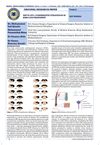 November 2025 in “PARIPEX-INDIAN JOURNAL OF RESEARCH”
 GFC is more effective than PRP for treating hair loss.
 November 2025 in “The Journal of Medical Sciences”
 Intralesional triamcinolone is more effective than cryotherapy for treating alopecia areata in middle-aged adults.
 November 2025 in “SKIN The Journal of Cutaneous Medicine”
 Low-level light therapy safely increases hair growth in various types of hair loss.
 November 2025 in “SKIN The Journal of Cutaneous Medicine”
 Baricitinib shows promise in improving frontal fibrosing alopecia symptoms.
 October 2025 in “Dermatology Practical & Conceptual”
 Psoriasis patients are more likely to develop alopecia areata due to complex autoimmune interactions.
 October 2025 in “Scholars Journal of Medical Case Reports”
 Intralesional corticosteroids effectively treat scalp Discoid Lupus and restore hair.
 September 2025 in “Cureus”
 There is no standard treatment for CCCA, and practices vary widely.
 August 2025 in “Benha Medical Journal”
 PRP therapy improves hair growth safely in androgenetic alopecia but needs standardized methods.

Early diagnosis and treatment of Lichen Planopilaris are crucial to prevent permanent hair loss.

Trichoscopy is a valuable tool for accurately diagnosing scalp conditions without invasive procedures.

Patients with lichen planopilaris have a higher risk of heart disease.
 March 2025 in “Forum Dermatologicum”
 Trichoscopy is crucial for accurately diagnosing fibrosing alopecia in pattern distribution.
 February 2025 in “American Journal of Biomedical Science & Research”
 A rare combination of hair loss and excessive fine hair growth was found in celiac disease patients.