 January 2026 in “International Journal of Dermatology Venereology and Leprosy Sciences”
 Topical 5% minoxidil is effective and safe for treating androgenetic alopecia, especially in younger patients with early-stage hair loss.
 December 2025 in “Biological and Clinical Sciences Research Journal”
 The Waris Hairline Dot Technique is highly effective, natural-looking, and has minimal recovery issues.
 December 2025 in “Lviv clinical bulletin”
 PRP therapy may help with ovarian issues and fertility, but more research is needed.
 October 2025 in “International Journal of Clinical Trials”
 India is ideal for dermatology trials due to diverse patients and cost-effectiveness.
Human placental extract effectively and safely improves melasma, ulcers, and alopecia areata.
 June 2024 in “Bőrgyógyászati és Venerológiai Szemle”
 New treatments for hair loss, like JAK inhibitors, PRP, anti-androgens, and minoxidil, offer better options.
 February 2024 in “Scientific reports”
 Four genes are potential markers for hair loss condition alopecia areata, linked to a specific type of cell death.
November 2024 in “Clinical Nutrition Open Science” High doses of resveratrol improve bone cell health and differentiation.
 1 citations
,
July 2023 in “Cytotherapy”
1 citations
,
July 2023 in “Cytotherapy” Magnetic nanovesicles from stem cells can improve hair growth by staying in the skin longer.
 March 2025 in “Plastic & Reconstructive Surgery Global Open”
 Human Platelet Extract hair serum improves hair health and growth safely.
48 citations
,
January 2024 in “Frontiers in Pharmacology” Improving topical drug delivery involves overcoming skin barriers and using personalized dosing to enhance effectiveness.
 10 citations
,
September 2021 in “International Journal of Nanomedicine”
10 citations
,
September 2021 in “International Journal of Nanomedicine” Tiny particles called extracellular vesicles show promise for treating skin conditions and promoting hair growth.
 August 2025 in “Plastic and Aesthetic Research”
 Microneedling can effectively treat hair loss and works well with other treatments, but more research is needed.
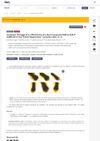 February 2024 in “Cosmetics”
 The correction fixes an image mistake in the original publication, but the findings on the hair treatment's effectiveness are unchanged.
44 citations
,
November 2022 in “Frontiers in Immunology” TLR-targeted therapies show promise in cancer treatment by helping destroy tumors.
 July 2025 in “Russian Journal of Transplantology and Artificial Organs”
 Combining surgical and nonsurgical methods is key to reducing post-burn scars.
2 citations
,
September 2025 in “International Journal of Nanomedicine” Extracellular vesicles can help treat skin issues like wounds, hair loss, aging, and inflammation.
 April 2026 in “Frontiers in Physiology”
 Polygonum multiflorum root nanovesicles may help hair growth and treat hair loss.
10 citations
,
January 2023 in “Journal of Orthopaedic Surgery and Research” Panax notoginseng saponins with stem cells improve healing and reduce inflammation in diabetic ulcers.

Topical minoxidil 5% is the most effective treatment for male hair loss, but other therapies show promise.
 March 2026 in “Preprints.org”
 The combined stem cell secretome in the skin care product effectively reduces inflammation and promotes tissue regeneration.
Poly-D,L-lactic acid boosts hair growth in aged skin by activating hair follicle stem cells.
Curcuma aeruginosa Roxb. may help treat hair loss by affecting specific biological pathways.
 June 2024 in “Skin Appendage Disorders”
 Both PRP and MZT treatments can significantly improve hair growth in patients with androgenetic alopecia.
 26 citations
,
October 2021 in “Clinical, Cosmetic and Investigational Dermatology”
26 citations
,
October 2021 in “Clinical, Cosmetic and Investigational Dermatology” The secretome from mesenchymal stem cells shows promise for treating skin conditions and improving skin and hair health, but more research is needed.
24 citations
,
August 2021 in “Biologics” Stem cell therapy shows promise in improving burn wound healing.
1 citations
,
August 2025 in “Biology Direct” Adipose tissue therapies have advanced from tissue to cell and cell-free treatments, showing promise but also limitations.
1 citations
,
October 2022 in “Indian Journal of Surgery” The USA leads in aesthetic surgery research, focusing on complications, hair loss, scarring, and stem cells.
 June 2026 in “International Journal of Molecular Sciences”
 Extracellular vesicles show promise in regenerative and cosmetic medicine but need more research and regulation for safe use.
May 2026 in “Stem Cell Research & Therapy” KRT6A may help diagnose and treat alopecia areata.