 9 citations
,
April 2019 in “Food Chemistry”
9 citations
,
April 2019 in “Food Chemistry” Created large amounts of grape seed compounds using a new method.
January 2018 in “Refubium (Universitätsbibliothek der Freien Universität Berlin)” New nanocarriers were developed for safer, targeted drug delivery and diagnostics, showing promise for future medical use.
 September 2025 in “ACS Applied Polymer Materials”
 The hydrogel speeds up wound healing, fights bacteria, reduces inflammation, and monitors pH.
July 2026 in “Journal of Pharmacy and Pharmacology” The hydrogel dressing with combined ingredients greatly improves wound healing and skin regeneration.
15 citations
,
January 2024 in “Chemical Engineering Journal” 26 citations
,
March 2017 in “Aesthetic plastic surgery” Accidental injection of hyaluronic acid caused temporary hair loss and skin damage, but treatment restored hair and healed the skin.
May 2018 in “Dermatologic Surgery” Compound 6 is a promising candidate for better wound healing.
 December 2023 in “Chiwi'saeng'gwa haghoeji”
 Hair keratin protein might help heal mouth wounds faster.
 November 2024 in “Journal of Cosmetic Dermatology”
 Valproic acid microemulsions improve skin delivery compared to regular solutions.
2 citations
,
February 2025 in “Journal of Nanobiotechnology” Modified frameworks with stearic acid enhance drug delivery and promote hair growth.
3 citations
,
July 2025 in “Gels” Engineered protein hydrogels improve medical treatments by mimicking natural body structures.
4 citations
,
January 2025 in “Pharmaceutics” The gel is a safe and effective treatment for hyperpigmentation.
 1 citations
,
December 2015 in “Endocrinology”
1 citations
,
December 2015 in “Endocrinology” Decanoic acid may help treat PCOS by reducing androgen levels and improving glucose sensitivity.
 January 2023 in “Postępy Dermatologii i Alergologii”
 Azelaic acid treats acne, rosacea, and hyperpigmentation with minimal side effects.
February 2026 in “ACS Omega” The hydrogel effectively treats oral mucositis by reducing oxidative damage and bacterial infection.
1 citations
,
January 2018 in “International Journal of Pharmaceutical Sciences and Drug Research” The minoxidil gel is stable and effective for treating alopecia areata.
 January 2026 in “Saudi Journal of Medical and Pharmaceutical Sciences”
 Gel D shows promise as a natural hair care solution for traction alopecia.
 5 citations
,
January 2021 in “Wiadomości Lekarskie”
5 citations
,
January 2021 in “Wiadomości Lekarskie” The method effectively creates acellular dermal matrix from pig skin while preserving structure.
September 2025 in “OPAL (Open@LaTrobe) (La Trobe University)” The hydrogel promotes wound healing, fights bacteria, and monitors pH.
December 2024 in “Biochemical and Biophysical Research Communications” LMWP-PDGFA shows promise for improving hair health and treating hair loss with fewer side effects.
The hydrogel speeds up wound healing by fighting bacteria and helping tissue regrow.
 October 2024 in “SPIRE - Sciences Po Institutional REpository”
 Glypicans help hair follicle stem cells differentiate by interacting with specific receptors, influencing hair growth.
 April 2024 in “Research Square (Research Square)”
 16-MHA can restore the barrier and moisture of damaged hair, making it similar to undamaged hair.
 June 2023 in “Journal of Cosmetic Dermatology”
 The treatment combining platelet-rich plasma and a non-cross-linked hyaluronic acid compound significantly improved hair density and reduced bald areas in women with androgenetic alopecia, and it's safe with only mild side effects.
June 2026 in “International Journal of Drug Delivery Technology” Polymeric micelles offer a promising new way to treat hair loss with fewer side effects.
 4 citations
,
November 1968 in “Textile research journal”
4 citations
,
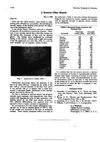
November 1968 in “Textile research journal” Hair fibers may have a unique, non-protein sheath not previously identified.
38 citations
,
January 2017 in “PPAR Research” PPAR-γ helps control skin oil glands and inflammation, and its disruption can cause hair loss diseases.

Sinapic acid and glabridin together help hair growth in androgenetic alopecia.
GPC1 is important for hair growth by helping blood vessels form around hair follicles.