 September 2020 in “Journal of Investigative Medicine”
 Omics techniques are needed to understand the scalp microbiome's role in alopecia areata for new treatments.
 17 citations
,
April 2020 in “Dermatology and Therapy”
17 citations
,
April 2020 in “Dermatology and Therapy” The PRP-like cosmetic product with postbiotics effectively treats hair loss in Alopecia areata.
 January 2026 in “Frontiers in Drug Discovery”
 Transforming skin disease treatment requires new strategies, better drug models, and patient-focused research.
February 2026 in “International Journal of Clinical Dermatology” Certain probiotics can help improve skin conditions like atopic dermatitis, but more research is needed.
 February 2026 in “Probiotics and Antimicrobial Proteins”
 Modifying gut bacteria with pro- and postbiotics may help treat hair loss.
 February 2026 in “Cosmetics”
 These supernatants may help reduce hair loss by protecting hair cells.
1 citations
,
February 2025 in “Frontiers in Nutrition” Hawthorn-probiotic postbiotic may relieve constipation in elderly.
January 2026 in “Regenerative Biomaterials” Advanced hydrogels can autonomously deliver drugs to treat radiation skin injuries, but challenges remain for clinical use.
22 citations
,
April 2020 in “Frontiers in Cellular and Infection Microbiology” Alopecia areata may be linked to scalp microbiome differences, suggesting potential treatments with prebiotics, probiotics, and postbiotics.
6 citations
,
July 2025 in “Frontiers in Microbiology” Imbalanced skin bacteria worsen diabetic foot ulcers, but adjusting them might improve healing.
6 citations
,
May 2025 in “Cosmetics” Sunscreen technology is improving with new ingredients and methods to better protect skin from sun damage.
 2 citations
,
May 2022 in “Cosmetics”
2 citations
,
May 2022 in “Cosmetics” Further research is needed to understand how the microbiome affects hair loss in Alopecia Areata.

Thermal spring waters and their microbes could be good for skin health and treating some skin conditions in skincare products.
15 citations
,
October 2024 in “Nutrients” A plant-based diet and certain probiotics may improve skin health and reduce inflammation.
18 citations
,
September 2023 in “Experimental Dermatology” The skin microbiome plays a key role in treating atopic dermatitis.
14 citations
,
September 2025 in “Gels” Sodium alginate-based hydrogels are promising for medical use due to their versatility and biocompatibility.
December 2022 in “Clinical and experimental dermatology and therapies” Adding the topical gel improved hair growth more than using minoxidil or finasteride alone.
 November 2025 in “Research Review”
 Probiotics can help reduce acne and improve skin health.
 March 2026 in “Frontiers in Oncology”
 Dermatologists should focus on restoring skin health and well-being in cancer survivors.
 February 2026 in “International Journal of Web of Multidisciplinary Studies”
 Restoring microbial balance and using exosome therapies may help treat hair disorders like alopecia and acne.

Understanding hair follicle signaling can improve hair disorder treatments.
 November 2025 in “Cureus”
 PCOS-related acne can be managed by targeting hormones and insulin resistance.
 November 2025 in “Dermatology and Therapy”
 The drinkable supplement increased hair growth and was safe for women with hair loss.
 October 2025 in “International Journal of Clinical Trials”
 India is ideal for dermatology trials due to diverse patients and cost-effectiveness.
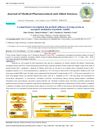 June 2024 in “Journal of medical pharmaceutical and allied sciences”
 Orange pectin boosts probiotic growth, especially L. acidophilus.
 December 2023 in “Acta Facultatis Medicae Naissensis”
 Cosmeceuticals are important for managing skin issues during the COVID-19 pandemic.
 January 2021 in “Journal of cosmetology & trichology”
 The treatment improved hair growth and thickness in patients with hair loss, even 10 months after therapy without additional products.
 October 2025 in “Frontiers in Veterinary Science”
 Quercetin boosts hair follicle stem cell growth and survival in cashmere goats.

N793 may improve hair density in people with mild hair thinning.
 January 2023 in “Surgical & Cosmetic Dermatology”
 Combining intradermotherapy with microneedling and a topical solution reduces hair loss more effectively than intradermotherapy alone.