 September 2025 in “Editora Pasteur eBooks”
 Continuous learning and personalized treatments are crucial in dermatology due to rapid technological advancements.
 August 2025 in “Editora Pasteur eBooks”
 Combining conventional and integrative treatments can help reduce hair loss and improve hair growth in women with androgenic alopecia.
 June 2025 in “Journal of Endocrinological Investigation”
 Adrenal disorders often cause high blood pressure in young people.

Managing oxidative stress and inflammation is crucial for better hair transplant results.

The meeting introduced new guidelines and resources for dermatology and venereology.
 February 2025 in “Ciencia Latina Revista Científica Multidisciplinar”
 Finasteride can help with hair loss and prostate issues but may negatively affect mood and the nervous system.
 February 2025 in “Revista Eletrônica Acervo Saúde”
 Triamcinolone hexacetonide is effective but has side effects, while PRP and minoxidil are safer alternatives for treating alopecia areata.
 February 2025 in “International Journal of Morphology”
 Vitamin E can reduce the negative effects of valproic acid on hair and skin development.
 January 2025 in “Directory of Open access Books (OAPEN Foundation)”
 PCOS affects women's hormones and metabolism, but can be managed with lifestyle changes and treatments.
Frontal fibrosing alopecia can be managed with personalized combination therapies, but no cure exists yet.
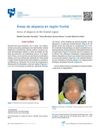 January 2025 in “Revista del Centro Dermatológico Pascua”
 Early diagnosis and treatment can help manage fibrosing alopecia in older women.
 January 2025 in “il Diabete”
 Targeted drug delivery to pancreatic beta-cells can improve type 2 diabetes treatment.
COVID-19 pneumonia may cause lasting lung damage like fibrosis.
 November 2024 in “RECIMA21 - Revista Científica Multidisciplinar - ISSN 2675-6218”
 The method increased hair volume, thickened strands, and reduced hair loss.
 October 2024 in “Irish Journal of Medical Science (1971 -)”
 Electrical stimulation with a low-calorie diet reduces appetite, weight, and blood pressure in obese people with sleep apnea.
 October 2024 in “Irish Journal of Medical Science (1971 -)”
 Continuous glucose monitoring and GLP-1 receptor agonists improve diabetes management, but personalized care and education are crucial.
 October 2024 in “Revista Científica Dynamikos”
 A hair implant clinic in Bogotá is feasible and can offer affordable treatments for medium-income individuals.
 August 2024 in “Polo del Conocimiento”
 Scalp psoriasis is treated with topical therapies, phototherapy, and systemic medications.
 July 2024 in “Journal of Rare Diseases”
 Woodhouse-Sakati syndrome shows varied symptoms and genetic differences within families.
 June 2024 in “Nature Cell and Science”
 The Scalp Coverage Scoring method reliably measures hair density from images.
 May 2024 in “SPIRE - Sciences Po Institutional REpository”
 Understanding and treating alopecia areata improves patient care.
Baricitinib shows promise for treating alopecia areata with mild side effects.
 April 2024 in “Más dermatología”
 Oral collagen peptides can improve skin health and aid wound healing.
 March 2024 in “Arquivos de Ciências da Saúde da UNIPAR”
 Onyx® embolization effectively treats facial arteriovenous malformations with minimal complications.
 March 2024 in “Cirugía y Cirujanos (English Edition)”
 Kidney transplant patients often have skin issues, mainly infections.
 January 2024 in “La Ciencia al Servicio de la Salud y Nutrición”
 Spironolactone is effective and safe for treating hair loss, excessive hair growth, and acne.
Low-dose oral minoxidil is generally safe for treating hair loss, with mostly mild side effects.
 October 2023 in “Revista Medicina Cutánea Ibero-Latino-Americana”
 Alopecia areata often appears on the scalp and is linked to various health issues, needing thorough evaluation.
 September 2023 in “Dermatology and therapy”
 Ritlecitinib effectively improves hair growth in alopecia areata patients, regardless of hair loss pattern.
 July 2023 in “Medicina Estética Revista Científica de la Sociedad Española de Medicina Estética (SEME)”
 Infrared light, alone or with hyaluronic acid, effectively treats skin laxity with minimal side effects.