 June 2026 in “Gümüşhane Üniversitesi Fen Bilimleri Enstitüsü Dergisi”
 PVA/agar films with Achillea millefolium essential oil are promising for wound dressings due to good strength and selective antibacterial effects.
 June 2026 in “International Journal of Drug Delivery Technology”
 Herbal remedies show promise for managing premature hair greying but need more research.
 June 2026 in “Frontiers in Materials”
 Smart hydrogel dressings can improve healing for severe wounds by mimicking natural tissue and delivering treatments.
 May 2026 in “Scientific and Technical Bulletin оf State Scientific Research Control Institute of Veterinary Medical Products and Fodder Additives аnd Institute of Animal Biology”
 Zinc carbonate nanoparticles are not irritating or absorbed by the skin.
 May 2026 in “Iranian journal of pharmaceutical research”
 HAMA hydrogels speed up skin wound healing by reducing inflammation and boosting collagen production.
 May 2026 in “International Journal of Pharmacognosy and Life Science”
 The polyherbal shampoo is a safe, effective, and affordable alternative to regular shampoos.
 May 2026 in “International Journal of Nanomedicine”
 Nanozymes help heal burn wounds by fighting bacteria, reducing inflammation, and promoting blood vessel growth.
 April 2026 in “International Journal of Drug Delivery Technology”
 Nanoparticle-based dressings and theranostic innovations improve chronic wound care by effectively targeting biofilms and offering precise treatment.
 April 2026 in “Journal of Cancer”
 Cepharanthine shows promise as a natural anticancer treatment.
 April 2026 in “Journal of Pharmaceutical Investigation”
 Nanotechnology could improve treatment for scars and atopic dermatitis by targeting skin issues more effectively.
 March 2026 in “Frontiers in Pharmacology”
 Taxifolin, found in onions and milk thistle, has health benefits but needs more research for safe use.
 March 2026 in “Journal of Hunan University Natural Sciences”
 Albizia saponaria stem bark shows promise as a natural antidandruff treatment.
 March 2026 in “Seven Editora eBooks”
 Testosterone creams and gels can be effective but have serious risks and should be used only with medical supervision.
The new microneedle system improves hair growth in alopecia treatment.
 February 2026 in “Frontiers in Bioengineering and Biotechnology”
 Liposome-based systems improve skin wound healing effectively.
 January 2026 in “Frontiers in Pharmacology”
 Wedelolactone may help treat inflammation, infections, cancer, bone loss, and organ damage.
 January 2026 in “The Eurasian Journal of Life Sciences”
 Pectin nanofibers show promise for medical use due to their unique properties.
 January 2026 in “Frontiers in Materials”
 Metal-organic frameworks help heal wounds by effectively delivering medicine.
 January 2026 in “Frontiers in Natural Products”
 Combining shikimic acid and Prunus mume extract may effectively treat acne naturally.
 January 2026 in “International Journal of Applied Pharmaceutics”
 A 10% MSC secretome hair tonic best promotes hair growth in alopecia.
 January 2026 in “Biomaterials Science”
 The formulation helps improve wound healing and skin repair.
 January 2026 in “International Journal of All Research Education & Scientific Methods”
 Alopecia is caused by various factors, and new treatments like gene editing and regenerative medicine offer hope for personalized hair regrowth solutions.
 January 2026 in “International Journal of Current Research and Review”
 Maidenhair fern may help with health issues but should not be used during pregnancy.
 January 2026 in “RSC Advances”
 The hydrogel speeds up diabetic wound healing and reduces scarring.
 January 2026 in “Journal of Biosciences and Medicines”
 Chronic kidney disease can cause skin issues that need early recognition and combined treatment for better outcomes.
 January 2026 in “International Journal of Dermatology Venereology and Leprosy Sciences”
 Metformin may improve acanthosis nigricans by reducing insulin resistance.
 November 2025 in “Frontiers in Pharmacology”
 Gentamicin-loaded exosomes improve healing of infected diabetic wounds in mice.
 November 2025 in “Nanoscale Advances”
 Inorganic nanoparticle-based scaffolds can improve wound healing by fighting bacteria and helping tissue grow.
 November 2025 in “Discover Pharmaceutical Sciences”
 The essential oils nanoemulsion promotes hair growth better than 2% minoxidil in mice.
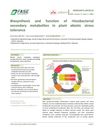 November 2025 in “Frontiers of Agricultural Science and Engineering”
 Rhizobacterial strain RT3 helps lettuce survive drought by producing protective substances like proline.