 September 2025 in “Intisari Sains Medis”
 The combination therapy improved severe alopecia areata in a patient after 14 days.
Baricitinib helps regrow hair in teens with severe alopecia areata.
September 2019 in “Journal of Investigative Dermatology” IL-17 and certain immune cells are linked to more severe alopecia areata.
 4 citations
,
March 2024 in “Quality of Life Research”
4 citations
,
March 2024 in “Quality of Life Research” More severe hair loss in alopecia areata greatly impacts patients and caregivers.
January 2026 in “Journal of the Egyptian Womenʼs Dermatologic Society” High levels of HSP70 and IL-15 are linked to more severe alopecia areata.
May 2025 in “Journal of the European Academy of Dermatology and Venereology” Etrasimod is safe but not effective for severe alopecia areata, though it may help milder cases.
July 2024 in “The Journal of Dermatology” Severe alopecia areata in South Korea has a high treatment burden, with most patients needing multiple treatments and frequent doctor visits.
 June 2024 in “Military medicine”
 JAK inhibitors like baricitinib and ritlecitinib are effective new treatments for severe alopecia areata.
37 citations
,
October 2014 in “JAMA dermatology” A woman with severe hair loss was successfully treated with the drug adalimumab.
November 2025 in “Journal of Investigative Dermatology” Ritlecitinib effectively treats severe Alopecia Areata by reducing harmful immune activity in the skin.
75 citations
,
March 2023 in “JAMA Dermatology” Alopecia areata and its severe forms are becoming more common, especially among females, adults, and people in the Northeast.
3 citations
,
January 2023 in “JEADV Clinical Practice” IL-17 is more important than IFN-γ in causing severe hair loss in chronic alopecia areata.
 May 2023 in “International Journal of Trichology”
 Tofacitinib effectively treated severe hair loss in a patient who didn't respond to other treatments.
April 2016 in “Journal of Investigative Dermatology” Blocking certain proteins can significantly regrow hair in severe alopecia areata.
7 citations
,
November 2023 in “JAAD Case Reports” Baricitinib helped regrow hair in patients with severe alopecia areata after other treatments failed.
1 citations
,
November 2025 in “Journal of Dermatological Treatment” Baricitinib is effective and safe for treating severe alopecia areata.
1 citations
,
April 2025 in “Skin Health and Disease” Combining delgocitinib ointment with excimer laser can effectively treat severe alopecia areata.
 July 2025 in “Clinical Dermatology Review”
 Azathioprine can cause unexpected hair loss and severe bone marrow issues, so careful monitoring is needed.
164 citations
,
November 1989 in “Clinical and Experimental Dermatology” Juvenile alopecia areata is more severe and has a worse prognosis than maturity-onset alopecia areata.
 51 citations
,
November 2011 in “British Journal of Dermatology”
51 citations
,
November 2011 in “British Journal of Dermatology” A gene called HDAC9 might be a new factor in male-pattern baldness.
2 citations
,
January 2024 in “BioMed Research International” Patients with alopecia areata and eosinophilia have more nail issues and severe hair loss.
March 2026 in “Actas Dermo-Sifiliográficas” JAK inhibitors are recommended for severe alopecia areata if corticosteroids fail.
September 2023 in “International Journal of Trichology” More severe alopecia areata is linked to more follicular stelae, but not to treatment response.
 6 citations
,
January 2000 in “Dermatology”
6 citations
,
January 2000 in “Dermatology” A girl's severely tangled hair couldn't be fixed and had to be cut due to a rare condition called plica neuropathica.
4 citations
,
April 2024 in “Journal of Drugs in Dermatology” Ruxolitinib cream may help treat severe hair loss in children.
1 citations
,
October 2022 in “Zenodo (CERN European Organization for Nuclear Research)” Low serum ferritin levels are linked to more severe and longer-lasting alopecia areata in children.
 1 citations
,
April 2016 in “Journal of The American Academy of Dermatology”
1 citations
,
April 2016 in “Journal of The American Academy of Dermatology” People with allergies or high eosinophil levels have a higher chance of severe hair loss from alopecia areata, and sudden hair loss can indicate chronic graft-versus-host disease.
Tofacitinib significantly regrows hair in severe alopecia without major side effects.
July 2024 in “Journal of Investigative Dermatology” Tailored treatments for alopecia areata show promising results, with pulse steroids effective for mild cases and Ritlecitinib, Dupilumab, or methotrexate and prednisone effective for severe cases.
 78 citations
,
March 2017 in “JAMA Dermatology”
78 citations
,
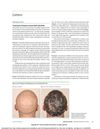
March 2017 in “JAMA Dermatology” Tofacitinib helped regrow hair in people with severe alopecia, but side effects occurred and benefits stopped after treatment ended.