 January 2026 in “The Eurasian Journal of Life Sciences”
 Pectin nanofibers show promise for medical use due to their unique properties.
 January 2026 in “Revista Científica de la Facultad de Ciencias Veterinarias”
 Ozonated oil and Centella asiatica extract improve wound healing in mice, with each having specific benefits.
 January 2026 in “Nano-Micro Letters”
 4D scaffolds made with melt electrowriting can change shape for use in medicine.
 January 2026 in “Food and Feed Research”
 Bananas have many health benefits, including treating diarrhea, diabetes, and colds.
 January 2026 in “RSC Advances”
 The hydrogel speeds up diabetic wound healing and reduces scarring.
 December 2025 in “Dermatological Health”
 Using eyebrow powder caused eyebrow hair loss, but stopping its use led to regrowth.
 December 2025 in “MEDFARM Jurnal Farmasi dan Kesehatan”
 Topical metformin shows promise for treating skin conditions like acne and psoriasis.
 December 2025 in “International Journal of Research in Dermatology”
 A multidisciplinary approach is crucial for effectively managing hair loss linked to endocrine and gynecological disorders.
 December 2025 in “Frontiers in Nutrition”
 Collagen supplements may improve skin, joints, and recovery, especially with added nutrients.

Autologous platelet concentrates help heal and regenerate dental tissues.
 December 2025 in “Frontiers in Medicine”
 Biofibre ® 4.0 hair implants are safe and satisfy most patients with hair loss.
 December 2025 in “Nature Communications”
 Skin organoids can model tuberculosis infection and help test treatments.
 November 2025 in “Frontiers in Pharmacology”
 Gentamicin-loaded exosomes improve healing of infected diabetic wounds in mice.
 November 2025 in “Nanoscale Advances”
 Inorganic nanoparticle-based scaffolds can improve wound healing by fighting bacteria and helping tissue grow.
 November 2025 in “Frontiers in Immunology”
 Immune cells are crucial for normal skin development and their dysfunction can cause skin disorders.
 November 2025 in “Communications Materials”
 Pomelo peel can be turned into materials that help stop bleeding and heal wounds better than commercial dressings.
 October 2025 in “Indian Journal of Plastic Surgery”
 Stem cells show promise in anti-aging and reconstructive surgery, but more research is needed.
 October 2025 in “Clinical Cosmetic and Investigational Dermatology”
 Targeting specific cell interactions may help treat skin fibrosis.
 January 2025 in “International Journal of Advanced Research in Science Communication and Technology”
 Polyherbal hair dyes are safer and more eco-friendly than chemical dyes.
 January 2025 in “Open Medicine”
 High-concentration cell-free adipose extract reduces scar formation and improves scar appearance.
 January 2025 in “Scripta Medica”
 Natural hydrolates may improve burn healing and fight antibiotic resistance.
 November 2024 in “Journal of Scientific Agriculture”
 Silk proteins are great for cosmetics because they protect and improve skin and hair while being eco-friendly.
 August 2024 in “Journal of Home Economics Research”
 Female youths should consult dermatologists and avoid fake hair products to prevent hair damage.
 May 2024 in “bioRxiv (Cold Spring Harbor Laboratory)”
 KAP-depleted hair causes less immune response and is more biocompatible for implants.
 March 2024 in “International Journal of Drug Delivery Technology”
 Electrospun nanofiber mats are effective drug carriers for improving wound healing.
 March 2024 in “World Academy of Sciences Journal”
 Exercise helps maintain healthy skin by promoting regeneration and reducing inflammation.
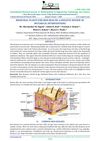 March 2024 in “International Research Journal Of Modernization In Engineering Technology And Science”
 Certain plants like Aloe vera and Neem are effective and safe for treating various skin conditions.
 February 2024 in “Frontiers in physiology”
 Hair follicle stem cells help skin heal and grow during stretching.
 February 2024 in “Frontiers in physiology”
 Modifying certain signals in the body can help wounds heal without scars and regrow hair.

Elastin-like recombinamers show promise for better wound healing and skin regeneration.