1 citations
,
July 2025 in “Journal of Cosmetic Dermatology” Lip aging differs from facial aging, needing specific care for barrier, wrinkles, and pigment changes.
1 citations
,
July 2025 in “Journal of Human Immunity” Minoxidil helps restore thymus size in 22q11.2 deletion syndrome.
1 citations
,
November 2024 in “Revista Foco” PRP effectively and safely reduces wrinkles and rejuvenates skin.
1 citations
,
June 2024 in “Frontiers in Physiology” Endoplasmic reticulum stress plays a key role in developing atherosclerosis.
1 citations
,
December 2006 in “Experimental Dermatology” Adipocytes have diverse roles in energy storage, protection, tissue repair, and influence health and disease.
 1 citations
,
November 2002 in “Neurosurgery Clinics of North America”
1 citations
,
November 2002 in “Neurosurgery Clinics of North America” The article concludes that cranial reconstruction should aim for the best aesthetic result, using various techniques tailored to individual needs and conditions.
June 2026 in “International Journal of Drug Delivery Technology” Clove, cinnamon, and coriander extracts may help reduce blood vessel growth.
 May 2026 in “Zenodo (CERN European Organization for Nuclear Research)”
 3D bioprinting improves skin and hair regeneration and aids in emergency wound care.
 May 2026 in “Zenodo (CERN European Organization for Nuclear Research)”
 3D bioprinting improves skin and hair regeneration and aids in emergency wound care.
May 2026 in “Skin Appendage Disorders” Trichoscopy and histopathology can help identify post-COVID-19 hair loss.
April 2026 in “Current Opinion in Genetics & Development” RNA is crucial for controlling cell flexibility and regeneration.
The hairline can reliably guide neurosurgical planning.
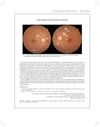 April 2026 in “The National Medical Journal of India”
 Regular eye exams are important for detecting serious complications in lupus patients.
 March 2026 in “Oxford Journal of Student Scholarship”
 Hair follicle stem cells can help treat hair loss and chronic ulcers, but more research is needed for other uses.
 March 2026 in “Critical Care Medicine”
 Methylene blue can effectively treat severe low blood pressure from minoxidil overdose when standard treatments fail.
 March 2026 in “Critical Care Medicine”
 Hair restoration can cause severe seizures due to combined drug toxicity.
 January 2026 in “Journal of Hard Tissue Biology”
 Red LED light boosts cell activity and growth, aiding wound healing and blood vessel repair.
 December 2025 in “Zenodo (CERN European Organization for Nuclear Research)”
 Hair loss is caused by mechanical, thermal, and metabolic factors, not just hormones.
 December 2025 in “Zenodo (CERN European Organization for Nuclear Research)”
 Hair loss is caused by mechanical, thermal, and metabolic stress, not just hormones.
 November 2025 in “IECCMEXICO”
 3D bioprinting advancements are improving skin regeneration for wound healing and personalized reconstruction.
 October 2025 in “Indian Journal of Dermatology”
 Dermoscopy can help diagnose tuberous sclerosis by identifying unique skin patterns.
October 2025 in “JURNAL BIOLOGI TROPIS” Androgenetic alopecia is common hair loss due to genetics and hormones, manageable with early treatment.
September 2025 in “Biomolecules” The skin microenvironment significantly affects hair growth and loss, offering potential treatment avenues.
August 2025 in “Seminars in Nephrology” Regenerative repair is essential to prevent long-term kidney function issues after obstruction.
July 2025 in “Journal of Investigative Dermatology” Resident memory T cells and necroptosis may drive fibrosis in eosinophilic fasciitis and morphea.
 July 2025 in “The Korean Journal of Internal Medicine”
 Certain immune responses may cause ongoing COVID-19 symptoms like fatigue and brain fog.
 June 2025 in “Academic Medical Journal”
 High homocysteine levels in lupus may increase inflammation and cardiovascular risk.
 April 2025 in “ACS Applied Nano Materials”
 A new treatment using dissolvable microneedles with nickel-copper and minoxidil improves hair growth and health in androgenetic alopecia.
February 2025 in “Brazilian Journal of Hair Health” Multiparametric ultrasound is a useful non-invasive tool for assessing scalp conditions in alopecia areata patients.
 February 2025 in “Journal of the American Academy of Dermatology”
 People with androgenetic alopecia may have a higher risk of peripheral venous disorders.