 May 2026 in “Frontiers in Cell and Developmental Biology”
 Hair follicle organoids can help study hair biology and disorders but need improvements for wider use.
 May 2026 in “International Journal of Nanomedicine”
 Nanozymes help heal burn wounds by fighting bacteria, reducing inflammation, and promoting blood vessel growth.
 April 2026 in “International Journal of Drug Delivery Technology”
 Nanoparticle-based dressings and theranostic innovations improve chronic wound care by effectively targeting biofilms and offering precise treatment.
 April 2026 in “Frontiers in Cell and Developmental Biology”
 GPCRs are vital for wound healing by affecting cell growth and immune response.
 April 2026 in “Journal of Cancer”
 Cepharanthine shows promise as a natural anticancer treatment.
 March 2026 in “Aging Research”
 Personalized anti-aging strategies are important, considering genetics and lifestyle.
 February 2026 in “Bioimpacts”
 3D bioprinted hydrogels could improve diabetic wound healing but face challenges like limited blood supply and scalability.
 February 2026 in “International Research Journal of Modernization in Engineering Technology and Science”
 Protect lips from aging with sunscreen, repair barriers, and boost collagen.

The new microneedle system improves hair growth in alopecia treatment.
 February 2026 in “Frontiers in Bioengineering and Biotechnology”
 Liposome-based systems improve skin wound healing effectively.
 February 2026 in “Frontiers in Immunology”
 Age-related immune changes worsen Parkinson's disease, suggesting new treatment strategies.
 January 2026 in “The Eurasian Journal of Life Sciences”
 Pectin nanofibers show promise for medical use due to their unique properties.
 January 2026 in “Microsystems & Nanoengineering”
 Research on silica-based nanobiomaterials for tissue regeneration is rapidly growing, with China leading in volume and the U.S. excelling in impact.
 January 2026 in “International Journal of Applied Pharmaceutics”
 A 10% MSC secretome hair tonic best promotes hair growth in alopecia.
 January 2026 in “Nanoscale Advances”
 Microneedles combined with light therapy can improve skin disease diagnosis and treatment.
 January 2026 in “Food Science and Human Wellness”
 Flammulina velutipes polysaccharide helps the immune system fight tumors by activating certain pathways.
 December 2025 in “Lviv clinical bulletin”
 PRP therapy may help with ovarian issues and fertility, but more research is needed.
 December 2025 in “Frontiers in Nutrition”
 Collagen supplements may improve skin, joints, and recovery, especially with added nutrients.

A new microneedle patch helps repair spinal cord injuries by reducing scarring and promoting nerve growth.
 November 2025 in “Frontiers in Oncology”
 Sphaeranthus indicus and silver nanoparticles can help treat liver cancer by killing cancer cells.
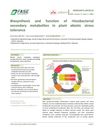 November 2025 in “Frontiers of Agricultural Science and Engineering”
 Rhizobacterial strain RT3 helps lettuce survive drought by producing protective substances like proline.
 September 2025 in “Drug Design Development and Therapy”
 Combining platelet-rich products, biomaterials, and bioactive substances may improve skin treatment, but more research is needed.
 September 2025 in “Clinical Cosmetic and Investigational Dermatology”
 Moderate exercise improves skin health, but intense exercise without protection can harm it.
 August 2025 in “Fabad Journal of Pharmaceutical Sciences”
 Cuscuta reflexa has potential medicinal benefits but needs more research for clinical use.
 July 2025 in “Journal of Research in Pharmacy”
 Combining Virgin Coconut Oil and Nigella Sativa Oil speeds up healing in diabetic wounds.

Certain plasma proteins and genes are linked to obstructive sleep apnea, suggesting potential new treatments.
 March 2025 in “Dental Journal (Majalah Kedokteran Gigi)”
 The sponge effectively controls bleeding and prevents infection after tooth extraction.
 March 2025 in “Asian Journal of Beauty and Cosmetology”
 Microspicule cosmetics improve skin whitening, pores, and barrier strength.
 January 2025 in “Directory of Open access Books (OAPEN Foundation)”
 PCOS affects women's hormones and metabolism, but can be managed with lifestyle changes and treatments.
Tridax procumbens may boost the immune system.