1 citations
,
October 2024 in “Veterinary Sciences” Hemodialysis successfully treated a cat with minoxidil poisoning.
1 citations
,
May 2024 in “International Journal of Molecular Sciences” Adenosine receptors could be promising targets for treating inflammatory skin diseases like psoriasis.
1 citations
,
December 2023 in “Life” PRP helps skin heal, possibly through special cells called telocytes.
 1 citations
,
July 2023 in “Journal of Clinical Medicine”
1 citations
,
July 2023 in “Journal of Clinical Medicine” Different causes of beard hair loss have various treatments, including medications, lifestyle changes, and procedures to stimulate hair growth.
 1 citations
,
July 2023 in “Cancers”
1 citations
,
July 2023 in “Cancers” Skin side effects from CDK4/6 inhibitors in breast cancer patients are generally mild and treatable, allowing most patients to continue treatment.
 1 citations
,
February 2023 in “International Journal of Molecular Sciences”
1 citations
,
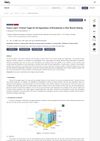
February 2023 in “International Journal of Molecular Sciences” The fascial layer is a promising new target for wound healing treatments using biomaterials.
 August 2026 in “Pharmaceuticals”
 Biopolymer-based hydrogels are promising for advanced wound healing due to their ability to enhance tissue regeneration and provide antimicrobial protection.
 June 2026 in “International Journal of Molecular Sciences”
 Extracellular vesicles show promise in regenerative and cosmetic medicine but need more research and regulation for safe use.

Advances in RNA research and skin models offer hope for better skin healing without scarring.
 April 2026 in “Pharmaceutics”
 Cellulose-based skin dressings show promise for wound healing but need more research and clinical trials.
 April 2026 in “International Journal of Molecular Sciences”
 Targeting non-Smad pathways in TGF-β signaling may improve keloid treatment.
 April 2026 in “Journal of Pharmaceutical and BioTech Industry”
 AI-enhanced smart patches can personalize drug delivery for better treatment outcomes.
 April 2026 in “International Journal of Molecular Sciences”
 Wnt signaling is crucial for skin, hair, and nail health and regeneration.
 April 2026 in “Biomedicines”
 A holistic approach combining lifestyle changes, stress management, exercise, and herbal medicine can effectively treat and prevent keloids.
 March 2026 in “International Journal of Molecular Sciences”
 Grateloupia angusta extract helps heal wounds faster and improve skin repair.
 March 2026 in “Biomedicines”
 Antera 3D® offers more precise and detailed scar assessment than traditional methods.

Bio-nanovesicles could improve hair and skin regeneration by delivering important molecules to repair and heal.
January 2026 in “Veterinary Sciences” Skin maturation in Dezhou donkey foals involves better barrier function, hair growth, and less collagen production.
December 2025 in “Sensors” Microneedles in wearables can deliver drugs over time but face challenges in manufacturing and safety.
December 2025 in “International Journal of Molecular Sciences” Exosome-based therapies show promise for treating alopecia areata but need more research.
November 2025 in “Journal of Clinical Medicine” PRP may help reduce scar symptoms like pain and itching after six months.
November 2025 in “International Journal of Molecular Sciences” PRP shows promise in healing and regeneration but needs standardized protocols for consistent results.
October 2025 in “International Journal of Molecular Sciences” Extracellular vesicles from mammary cells help heal skin wounds effectively.
October 2025 in “International Journal of Molecular Sciences” Stem cells have great potential for treating various medical conditions.
 October 2025 in “Pharmaceutics”
 Microneedles improve drug delivery for skin diseases, enhancing treatment effectiveness and patient compliance.
September 2025 in “Surgeries” Hair transplants can work for stable cicatricial alopecia, but success varies by condition.
 June 2025 in “International Journal of Molecular Sciences”
 Targeting EMT and fibrotic remodeling may help treat androgenetic alopecia.
 February 2025 in “Cosmetics”
 Blue light therapy is promising for skin and hair conditions but needs more research for widespread use.
 January 2025 in “Medicina”
 Advanced techniques and technologies can improve burn wound healing, but more research is needed.
January 2025 in “Cosmetics” Exosomes could improve skin care, but more research is needed to confirm their safety and effectiveness.