 1 citations
,
May 2026 in “Nature Communications”
1 citations
,
May 2026 in “Nature Communications” CD19-CAR T cell therapy may help regenerate skin in systemic sclerosis.
 June 2026 in “WORLD JOURNAL OF PLASTIC SURGERY”
 Injectable methods like botulinum toxin and fillers effectively rejuvenate the face with less invasive procedures.
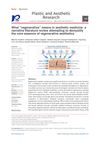 February 2026 in “Plastic and Aesthetic Research”
 Regenerative aesthetic medicine aims to restore tissue function, but needs more consistent evidence and standardized practices.
 January 2024 in “Wiadomości Lekarskie”
 AI is transforming healthcare by improving diagnostics and therapy, despite challenges with data and trust.
97 citations
,
March 2006 in “Journal of Investigative Dermatology” Mutations in the DSG4 gene cause a severe form of brittle hair and skin issues.
November 2025 in “Journal of Dermatological Treatment” PRP combined with minoxidil may help treat hair loss, but better methods and standardized practices are needed.
 June 2025 in “Indian Dermatology Online Journal”
 Severe hair loss may worsen with skin condition, suggesting treating the skin might help.
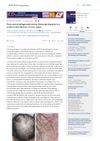 March 2023 in “Journal of Cosmetic Dermatology”
 A woman's progressive hair loss was correctly diagnosed as a rare condition called fibrosing alopecia in a pattern distribution after initially being mistaken for a more common type.
March 2026 in “JPRAS Open” Exosome therapy for hair loss shows promise but needs standardized methods and safety checks for clinical use.
 December 2024 in “Medicine”
 Gut bacteria may affect hair loss risk.
8 citations
,
February 2023 in “Actas Dermo-Sifiliográficas” Dermatologists should learn trichoscopy to better diagnose hair loss conditions.
5 citations
,
September 2024 in “Journal of Clinical Medicine” Scalp cooling effectively reduces hair loss in breast cancer patients undergoing chemotherapy.
June 2020 in “The Medical Journal of Cairo University” Topical spironolactone works better than topical finasteride for hair loss.
 10 citations
,
September 2021 in “JAMA Dermatology”
10 citations
,
September 2021 in “JAMA Dermatology” Different types of persistent hair loss after chemotherapy respond differently to treatments.
1 citations
,
January 2025 in “JAAD reviews.” Hypertrichosis involves excessive hair growth and needs careful diagnosis and treatment, considering its psychological effects.
March 2026 in “Journal of Cosmetic Dermatology” PRP shows promise for hair growth but needs standardized methods for better results.
January 2026 in “Dermatologic Therapy” Botulinum Toxin Type A can increase hair density and improve hair thickness in androgenetic alopecia with minimal side effects.
October 2025 in “Annals of Medicine and Surgery” Retinoids may improve hair growth in androgenic alopecia when used with other treatments.

Combining minoxidil with other treatments like finasteride or PRP improves hair growth and satisfaction more than using minoxidil alone.
99 citations
,
October 2008 in “Journal of Investigative Dermatology” Mutations in the ST14 gene cause skin and hair issues by disrupting important protein processing.
 February 2025 in “Clinical Cosmetic and Investigational Dermatology”
 Genetic risk for hair loss can increase depression risk, but depression doesn't increase hair loss risk.
9 citations
,
June 2017 in “American journal of ophthalmology. Case reports” A new mutation in the CDH3 gene causes hair loss and vision problems in a young girl.
November 2025 in “JPRAS Open” Exosome therapy could help with hair loss, but more research and regulation are needed.
 January 2025 in “Journal of Dermatological Treatment”
 Combining low-level laser therapy with minoxidil doesn't improve hair loss treatment compared to using minoxidil alone.
 November 2024 in “Health Science Reports”
 Light/laser therapy can effectively increase hair density in some types of alopecia, especially androgenic alopecia and alopecia areata.
 December 2025 in “Medical Sciences”
 Regenerative therapies show promise for hair regrowth, but more research and standardization are needed.
12 citations
,
June 2022 in “International Journal of Molecular Sciences” Copper boosts cell growth in rabbit hair follicles.
 September 2024 in “Stem Cell Research & Therapy”
 HA-stimulated stem cell vesicles improved hair growth in male mice with androgenetic alopecia.
 April 2025 in “BMC Immunology”
 Targeting SIRT1 with antisense oligonucleotides could be a promising treatment for hair loss.
 March 2026 in “Preprints.org”
 Platelet-rich plasma, microneedling with minoxidil, and topical finasteride are promising treatments for hair loss.