 2 citations
,
November 2022 in “Bioscience Reports”
2 citations
,
November 2022 in “Bioscience Reports” Polycystic ovary syndrome and iron overload share similar symptoms and can be potentially treated with blood removal, diet changes, and probiotics.
1 citations
,
December 2025 in “Inorganics” Silver nanoparticles help heal wounds by preventing infections and promoting tissue repair.
1 citations
,
December 2025 in “Stem Cell Research & Therapy” Stem cell-derived exosomes can help repair ear damage and improve balance and hearing.
1 citations
,
October 2025 in “International Journal of Molecular Sciences” Natural compounds may help treat advanced papillary thyroid cancer by targeting specific molecular pathways.
1 citations
,
October 2025 Smart hydrogels improve wound healing by adapting to needs and releasing medicine.
1 citations
,
October 2025 in “Frontiers in Cardiovascular Medicine” Anabolic-androgenic steroid abuse can cause heart damage and sudden death.
1 citations
,
July 2025 in “Barrier Immunity” A holistic approach is crucial for treating skin disorders and restoring barrier function.
1 citations
,
March 2025 in “Molecular Medicine Reports” Exosomes show promise in treating acute kidney injury by protecting and repairing kidney cells.
1 citations
,
July 2024 in “International Journal of Molecular Sciences” Effective delivery systems are crucial for siRNA hair loss treatments to work better.
 1 citations
,
February 2024 in “Journal of nanobiotechnology”
1 citations
,
February 2024 in “Journal of nanobiotechnology” Hydrogels combined with extracellular vesicles and 3D bioprinting improve wound healing.
 1 citations
,
January 2024 in “Cellular & Molecular Biology Letters”
1 citations
,
January 2024 in “Cellular & Molecular Biology Letters” Adipose-derived stem cells help heal burns but need more research.
1 citations
,
December 2023 in “Life” PRP helps skin heal, possibly through special cells called telocytes.
 1 citations
,
August 2023 in “Military Medical Research”
1 citations
,
August 2023 in “Military Medical Research” Smart hydrogel dressings could improve diabetic wound healing by adjusting to wound conditions and controlling drug release.
 1 citations
,
February 2023 in “International Journal of Molecular Sciences”
1 citations
,
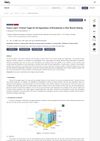
February 2023 in “International Journal of Molecular Sciences” Melatonin, the sleep hormone, can help treat skin conditions like dermatitis, hyperpigmentation, and scalp disorders, and may also aid in skin aging prevention and regeneration. However, it's not recommended for asthma due to its pro-inflammatory effect.
 1 citations
,
February 2023 in “International Journal of Molecular Sciences”
1 citations
,
February 2023 in “International Journal of Molecular Sciences” The fascial layer is a promising new target for wound healing treatments using biomaterials.
 August 2026 in “Molecular Biomedicine”
 Hydrogels are promising for treating complex diseases due to their adaptability and potential in drug delivery and tissue repair.
 August 2026 in “Pharmaceuticals”
 Biopolymer-based hydrogels are promising for advanced wound healing due to their ability to enhance tissue regeneration and provide antimicrobial protection.
 July 2026 in “Pharmaceuticals”
 Plant-derived extracellular vesicles show promise for delivering drugs and treating diseases.
 July 2026 in “Pharmaceuticals”
 Aging and chronic diseases impair muscle repair, but integrated therapies like exercise and gene editing may help.
 July 2026 in “Pharmaceuticals”
 Marine-derived polysaccharide nanofibers could improve wound healing but face challenges in becoming widely used.

Advances in RNA research and skin models offer hope for better skin healing without scarring.
 May 2026 in “Medical Sciences”
 Vesicle-based therapies from stem cells and plants improve burn healing and could be safe, scalable alternatives to cell transplants.
 May 2026 in “Endocrine Connections”
 Androgenetic alopecia in PCOS is linked to insulin resistance, inflammation, and genetics, not just hormones.
 April 2026 in “Biomolecules”
 New treatments for PCOS using smart drug delivery, metabolic changes, and AI show promise but need more research.
 April 2026 in “International Journal of Molecular Sciences”
 Targeting non-Smad pathways in TGF-β signaling may improve keloid treatment.
 April 2026 in “International Journal of Molecular Sciences”
 Wnt signaling is crucial for skin, hair, and nail health and regeneration.
 March 2026 in “Biomolecules”
 MicroRNAs play a key role in controlling hair growth and quality in sheep and goats.
 March 2026 in “Journal of Nanotheranostics”
 Nanotechnology improves CRISPR-Cas9 delivery for cancer treatment, but challenges remain.

Polydopamine is promising for personalized medicine and biomedical technology due to its strong adhesion and biocompatibility.
 February 2026 in “Frontiers in Microbiology”
 Skin bacteria help heal wounds and restore healthy skin.