 1 citations
,
June 2019 in “Innovare journal of medical sciences”
1 citations
,
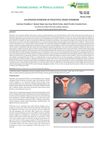
June 2019 in “Innovare journal of medical sciences” Polycystic Ovary Syndrome (PCOS) is a hormonal disorder in women that can cause infertility and other health issues, and it may be improved by treatments that increase insulin sensitivity.
 1 citations
,
April 2018 in “Revista da Sociedade Portuguesa de Dermatologia e Venereologia”
1 citations
,
April 2018 in “Revista da Sociedade Portuguesa de Dermatologia e Venereologia” Hidradenitis suppurativa is a chronic skin condition more common in women, linked to genetics and lifestyle factors, and associated with various other health issues.
 1 citations
,
November 2015 in “Indian Journal of Clinical Biochemistry”
1 citations
,
November 2015 in “Indian Journal of Clinical Biochemistry” The conference presented findings on how vitamin D levels, genetic factors, and lifestyle choices like smoking and yoga affect various health conditions and diseases.
 1 citations
,
December 2010 in “Elsevier eBooks”
1 citations
,
December 2010 in “Elsevier eBooks” Cell transplantation faces challenges in genitourinary reconstruction, but alternative tissue sources and microencapsulation show promise.
 July 2026 in “Frontiers in Immunology”
 Targeting protein lactylation may improve skin disease treatments.
Technology enhances human design thinking, creating new possibilities.
Technology expands design thinking possibilities, requiring a hybrid, reflective approach.
 April 2026 in “Journal of Pharmaceutical Innovation”
 Curcumin nanocrystal gel improves skin absorption and is safe and effective for topical use.
 March 2026 in “American Journal of Clinical Dermatology”
 Cancer survivors need better skin care to improve their quality of life.
 March 2026 in “Cleveland Clinic Journal of Medicine”
 PCOS diagnosis and management have improved with new guidelines for personalized care.
 February 2026 in “Frontiers in Bioengineering and Biotechnology”
 Liposome-based systems improve skin wound healing effectively.
 February 2026 in “Molecular Imaging and Radionuclide Therapy”
 High-dose radioactive iodine therapy does not harm fertility in thyroidectomy patients.
 January 2026 in “Forum Dermatologicum”
 Skin symptoms often reveal hormonal imbalances in PCOS.
 December 2025 in “Scientific Reports”
 α-Mangostin can naturally lighten skin by reducing melanin.
 December 2025 in “Clinical Cosmetic and Investigational Dermatology”
 ZDHHC17 methylation may help treat or identify facial skin aging.
 September 2025 in “Cureus”
 GLP-1 agonists may help treat certain skin conditions.
 June 2025 in “Journal of Endocrinological Investigation”
 Adrenal disorders often cause high blood pressure in young people.
 June 2025 in “International Journal of Environmental Sciences”
 CLEC10A and interleukin-42 can help identify PCOS patients' response to Metformin treatment.
 February 2025 in “Journal of Nutrients”
 Bone broth may improve health and prevent diseases.
 January 2025 in “Iraqi Journal of Science”
 PDCD4 protein levels, affected by genetics and breastfeeding, may predict breast cancer treatment response.

Polarized microscopy helps identify hair irregularities in genetic disorders.
 January 2025 in “Nanotechnology Reviews”
 Pumpkin seed extract can create copper oxide nanoparticles with potential antibacterial and cancer-fighting properties.
 October 2024 in “Irish Journal of Medical Science (1971 -)”
 Electrical stimulation with a low-calorie diet reduces appetite, weight, and blood pressure in obese people with sleep apnea.
Four genes are linked to alopecia areata, with two increasing risk and two offering protection.
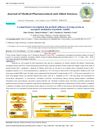 June 2024 in “Journal of medical pharmaceutical and allied sciences”
 Orange pectin boosts probiotic growth, especially L. acidophilus.
 January 2024 in “Frontiers in immunology”
 Histone modification is key in treating chronic inflammatory skin diseases.

More research is needed to confirm the potential of various treatments, including Helichrysum plicatum, vitamins, bromelain, personalized medications, hydrogels, and bacteriophage therapy.
 January 2023 in “Pakistan Armed Forces Medical Journal”
  December 2019 in “University of Malaya Students Repository”
 Mimosine from Leucaena leucocephala can enhance biodiesel stability.
 January 2019 in “ARC journal of pharmaceutical sciences”
 Acne can be managed with various treatments and requires psychological support due to its emotional impact.