 December 2025 in “Cosmoderma”
 Systemic corticosteroids help manage vitiligo by slowing progression and aiding repigmentation.
 November 2025 in “International Journal Of Ayurvedic And Herbal Medicine”
 A multidisciplinary approach effectively improves trichotillomania without side effects.
 November 2025 in “Frontiers in Medicine”
 The SAALIQ is a reliable tool for measuring the impact of alopecia areata on Spanish-speaking patients' quality of life.
 November 2025 in “International Journal of Innovative Research in Technology”
 Hormones significantly affect hair growth and loss, requiring personalized treatment.
 October 2025 in “International Journal of Science and Research (IJSR)”
 Lifestyle changes and alternative therapies can help manage Polycystic Ovarian Disease.
New-onset fibromyalgia after COVID-19 is poorly understood, needing better definitions and studies.
Combining psychodermatology and PRP therapy can improve skin condition treatment by addressing both mental and physical health.
 August 2025 in “Libyan Medical Journal”
 People with vitiligo or alopecia areata have higher anxiety and depression than healthy people.
 August 2025 in “International Journal For Multidisciplinary Research”
 Adaptive coping reduces PCOS symptoms, while maladaptive coping worsens them.
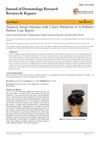 July 2025 in “Journal of Dermatology Research Reviews & Reports”
 A 10-year-old girl with hair and eyelash loss showed significant regrowth after treatment.
 July 2025 in “Pharmaceutical Sciences & Analytical Research Journal”
 Herbal treatments for hair loss show promise but need more research to confirm their safety and effectiveness.
 April 2025 in “PharmacoEconomics - Open”
 Patients with Alopecia Areata are willing to trade life duration for better quality of life.
 April 2025 in “International Journal of Homoeopathic Sciences”
 Homeopathic treatment improved PCOS symptoms in a 24-year-old woman.
 January 2025 in “Medical Research Archives”
 Anorexia nervosa causes serious health issues, best treated with a team approach focusing on nutrition.
Herbal therapies for alopecia show promise but need more research for safety and effectiveness.
 January 2025 in “ARC Journal of Dermatology”
 Black patients are underrepresented in alopecia research, highlighting the need for more inclusive studies.
 January 2025 in “International Journal of Dermatology Research”
 Tailored combination therapy improves non-scarring alopecia outcomes.
 January 2025 in “Acta Dermatovenerologica Alpina Pannonica et Adriatica”
 Iron deficiency is linked to hair loss in adolescents, especially females, in northern Sudan.
 January 2025 in “International Journal of Dermatology Venereology and Leprosy Sciences”
 Current treatments for alopecia areata can help hair grow but don't cure the disease.
 December 2024 in “THE SCIENTIFIC TEMPER”
 Women in Raichur slums need better health awareness and medical help.
 December 2024 in “Texila international journal of public health”
 Trichoscopy effectively diagnoses and monitors cicatricial alopecias, reducing the need for biopsies.
 September 2024 in “South Eastern European Journal of Public Health”
 Alopecia areata patients have higher IgE and IL-13 levels, suggesting immune involvement.

Photobiomodulation improves the quality of life for people with hair loss.
 March 2024 in “Buletin de psihiatrie integrativă (Print)”
 Hair loss from telogen effluvium can cause mental health issues and lower life quality, needing both medical and emotional support.
 January 2024 in “Dermatology Review”
 Combining PRP with hydroquinone is more effective for treating melasma than using hydroquinone alone.
 December 2023 in “Y Dược học”
 Older adults in Vietnam often experience hair loss after COVID-19, especially women, singles, and those hospitalized.
 November 2023 in “Dermatology Research and Reports”
 A stable ivermectin cream may effectively treat rosacea without long-term antibiotics.
Alopecia areata patients have higher levels of certain immune receptors, suggesting new treatment possibilities.
Stress significantly contributes to hair loss, especially in women and those aged 31-40.
 June 2023 in “International journal of biology, pharmacy and allied sciences”
 New medications are improving depression treatment, emphasizing accurate diagnosis and chronic care.