 March 2026 in “Zenodo (CERN European Organization for Nuclear Research)”
 The herbal shampoo is an effective, eco-friendly alternative to synthetic shampoos.
 June 2021 in “Research Square (Research Square)”
 Dyed chitin nanofibers are strong, colorful, and water-resistant, enhancing resin strength and color.
 6 citations
,
May 2011 in “Journal of Pharmacy Technology”
6 citations
,
May 2011 in “Journal of Pharmacy Technology” Old drugs can be used for new treatments, saving time and money, but there are challenges like needing more evidence and legal concerns.
 140 citations
,
August 2011 in “Biomaterials”
140 citations
,
August 2011 in “Biomaterials” Keratose, derived from human hair, is a non-toxic biomaterial good for tissue regeneration and integrates well with body tissues.
4 citations
,
November 2024 in “Materials” The film creates vibrant colors and can be used in food sensors and cosmetics.
4 citations
,
June 2022 in “Journal of cleaner production” New eco-friendly method strengthens and sets hair using light and causes less damage.
 October 2021 in “Austin journal of biomedical engineering”
 The material combining eggshell protein and scaffold helps wounds heal faster and regenerates tissue effectively.
1 citations
,
January 2016 in “Frontiers in Bioengineering and Biotechnology” Human hair keratin is a promising and sustainable biomaterial for tissue regeneration.
 July 2026 in “Zenodo (CERN European Organization for Nuclear Research)”
 The polyherbal powder shampoo is a safe, effective, and eco-friendly alternative to synthetic shampoos.
 July 2026 in “Zenodo (CERN European Organization for Nuclear Research)”
 The polyherbal powder shampoo is a safe, effective, and eco-friendly alternative to synthetic shampoos.
January 2025 in “Green energy and technology”  January 2026 in “Frontiers in Materials”
 Metal-organic frameworks help heal wounds by effectively delivering medicine.
 July 2023 in “International Journal of Cosmetic Science”
 Biopolymers are increasingly used in cosmetics for their non-toxicity and skin benefits, with future biotech advancements likely to expand their applications.
 June 2025 in “World Journal of Medical Oncology”
 Bio-based materials like hydrogels show promise in treating skin cancer with fewer side effects, but more research is needed.
1 citations
,
April 2025 in “Materials Today Communications” The dressing speeds up wound healing by mimicking skin's natural properties.
March 2026 in “ACS Applied Bio Materials” The TO-TF copolymer strengthens damaged hair effectively and sustainably.
November 2025 in “Molecules” Microextraction techniques improve hormone testing while being environmentally friendly.
 22 citations
,
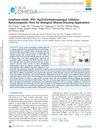
September 2019 in “ACS omega”
22 citations
,
September 2019 in “ACS omega” The new nanocomposite films are stronger, protect against UV, speed up wound healing, and are antibacterial without being toxic.
29 citations
,
May 2025 in “Polymers” DLP bioprinting shows promise for medical uses, but needs more material options and strength improvements.
169 citations
,
October 2020 in “Pharmaceutics” Polysaccharide-based nanofibers are promising for better wound healing.
 12 citations
,
February 2013 in “The Open Stem Cell Journal”
12 citations
,
February 2013 in “The Open Stem Cell Journal” DPSCs and SHED have great potential for medical treatments and tissue repair.
7 citations
,
January 2024 in “Regenerative Biomaterials” The new dressing improves chronic wound healing by preserving and releasing growth factors effectively.
Drug repurposing finds new uses for existing drugs, saving time and money.
47 citations
,
September 2011 in “Acta biomaterialia” Protein composition greatly affects the function of keratin biomaterials.
 1 citations
,
July 2023 in “Foods”
1 citations
,
July 2023 in “Foods” Mushrooms offer benefits for food, energy, and water security, and have potential uses in health and environmental applications.
1 citations
,
July 2025 in “The Open Dermatology Journal” Tissue engineering in cosmetics offers safer, more effective products and ethical alternatives to animal testing.
August 2025 in “Marine Drugs” The new composite material is safe and has anticoagulant properties.
March 2026 in “Advanced Healthcare Materials” 92 citations
,
February 2023 in “Antibiotics” Nanomaterials in wound dressings help fight infections and improve healing.
December 2025 in “Sustainable Chemistry One World” Mangosteen waste can be used as an eco-friendly natural hair dye, producing a lasting reddish color and strengthening hair.