 April 2026 in “Journal of Pharmaceutical Investigation”
 Nanotechnology could improve treatment for scars and atopic dermatitis by targeting skin issues more effectively.
 February 2026 in “Cureus”
 Combination therapy is better for long-term control and outcomes in type 2 diabetes.
 February 2026 in “Frontiers in Immunology”
 Tralokinumab for atopic dermatitis may cause eye issues and skin reactions, needing careful monitoring.

Elderly skin care needs personalized treatment, early intervention, and integrated psychiatric care.
 February 2026 in “International Journal of Recent Surgical and Medical Sciences”
 Human exosomes are effective for targeted treatments but face scalability issues, while plant exosomes are cost-effective for cosmetics.
 January 2026 in “Dermatology Practical & Conceptual”
 Exosomes can improve skin elasticity, reduce wrinkles, and enhance hydration, but more research is needed.
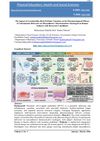 January 2026 in “Physical Education Health and Social Sciences”
 Combining probiotics, clotrimazole gel, and laser therapy improves treatment for recurrent yeast infections.
 January 2026 in “Journal of Sexual and Mental Health”
 New male contraceptive pills show promise in reducing sperm production with mild side effects.

Exosomes show promise for skin treatments but need more research and regulation in India.
 January 2026 in “Frontiers in Pharmacology”
 Minoxidil can treat hair loss with topical, oral, and sublingual options, offering personalized choices.
A rash from semaglutide may be due to propylene glycol, not the drug itself.
 December 2025 in “International Journal of Newgen Research in Pharmacy & Healthcare”
 Global standardization and stricter regulations are needed for safer herbal hair products and better international trade.
 December 2025 in “Journal of Education Health and Sport”
 Green tea may help relieve PCOS symptoms, but more research is needed.
 December 2025 in “Lviv clinical bulletin”
 PRP therapy may help with ovarian issues and fertility, but more research is needed.
 December 2025 in “International Journal of Pharmacology”
 iPSC-derived artificial platelets show promise for consistent and effective regenerative therapies.
 November 2025 in “Open Repository of the University of Porto (University of Porto)”
 Minoxidil and spironolactone can improve hair growth, but responses vary and side effects are common.
 November 2025 in “Frontiers in Endocrinology”
 Apigenin and ellagic acid may help manage PCOS symptoms.
 October 2025 in “Frontiers in Immunology”
 Platelet-rich plasma might help treat eczema by reducing inflammation and repairing the skin.
 October 2025 in “Open Repository of the University of Porto (University of Porto)”
 Pharmacists play a crucial role in health literacy and patient care.

A stable sheep ovarian cell line was created for studying reproduction and hormones.
 September 2025 in “Cureus”
 There is no standard treatment for CCCA, and practices vary widely.
 July 2025 in “Current Treatment Options in Oncology”
 Scalp cooling helps prevent hair loss during chemotherapy, and minoxidil aids regrowth.
 July 2025 in “International Journal of Dermatology Venereology and Leprosy Sciences”
 Microneedling may improve melasma treatment by boosting topical therapy effectiveness.
 June 2025 in “Mağallaẗ ʻulūm al-rāfidayn”
 New pyrazole derivatives may help treat hair loss, but more testing is needed.
 May 2025 in “The Journal of Rheumatology”
 Anifrolumab may help improve symptoms in patients with overlapping autoimmune diseases.
 May 2025 in “The Journal of Rheumatology”
 Proactive physical therapy improved mobility, reduced fatigue, and pain in lupus patients.
 April 2025 in “Medical Science”
 The ketogenic diet may help manage PCOS symptoms but needs more research for long-term effects.
 April 2025 in “International Journal of Advanced Research in Science Communication and Technology”
 Herbal hair gummies with ingredients like fenugreek and biotin may help hair growth and are safe and stable.

Finasteride can cause long-term side effects like sexual dysfunction and depression.
 March 2025 in “Journal of Neonatal Surgery”
 Robotic surgery and AI improve precision and recovery in medicine but face cost and training challenges.