February 2026 in “International Journal of Dermatology” Ritlecitinib shows promise in improving hair regrowth in adolescents with alopecia areata.
December 2025 in “The Journal of Dermatology” Ritlecitinib effectively reduces hair loss in JAK inhibitor-naïve alopecia areata patients.
December 2025 in “International Journal of Dermatology” Combining low-dose oral minoxidil with immunomodulators shows promise for treating alopecia areata but needs more research.
2 citations
,
November 2025 in “Journal of the American Academy of Dermatology” Deuruxolitinib effectively regrows hair in adults with alopecia areata and is well tolerated.
1 citations
,
November 2025 in “Journal of Dermatological Treatment” Baricitinib is effective and safe for treating severe alopecia areata.
November 2025 in “British Journal of Dermatology” The guideline recommends personalized treatment for alopecia areata, including new oral medications and psychological support.
October 2025 in “International Journal of Dermatology” Baricitinib is a safe and effective treatment for alopecia areata, with better results in patients with lower initial severity, shorter disease duration, and longer treatment.
October 2025 in “Journal of Clinical Medicine” Patients with certain baseline characteristics are more likely to benefit early from baricitinib for alopecia areata.
 October 2025 in “Dermatology and Therapy”
 Ritlecitinib is being tested for effectiveness and safety in treating severe alopecia areata.
 September 2025 in “Australasian Journal of Dermatology”
 New medications could improve treatment for severe alopecia areata in Australia.
 September 2025 in “Journal of the European Academy of Dermatology and Venereology”
 Baricitinib effectively promotes hair regrowth and improves well-being in severe alopecia areata patients.
2 citations
,
September 2025 in “Journal of Dermatological Treatment” Shorter alopecia areata episodes lead to better baricitinib treatment outcomes.
 3 citations
,
August 2025 in “Frontiers in Pharmacology”
3 citations
,
August 2025 in “Frontiers in Pharmacology” Oral JAK inhibitors are safe for alopecia areata, but baricitinib may cause more acne and infections.
August 2025 in “Clinical and Experimental Dermatology” Psychological therapies can improve wellbeing in people with hair loss.
 July 2025 in “The Journal of Dermatology”
 Ritlecitinib has common side effects like headache and acne, and unexpected ones like diabetes and thyroid issues.
3 citations
,
July 2025 in “Clinical and Experimental Dermatology” Ritlecitinib may be more effective for severe alopecia areata than conventional treatments.
 June 2025 in “The Journal of Dermatology”
 Baricitinib is effective and safe for long-term treatment of severe alopecia areata.
 4 citations
,
May 2025 in “Dermatology and Therapy”
4 citations
,
May 2025 in “Dermatology and Therapy” Baricitinib effectively improves symptoms of atopic dermatitis and alopecia areata with few side effects.
 8 citations
,
May 2025 in “Dermatology and Therapy”
8 citations
,
May 2025 in “Dermatology and Therapy” Local corticosteroids can help with alopecia areata, but hair loss often returns after stopping treatment.
April 2025 in “Journal of Cosmetic Dermatology” Azathioprine is a safe and effective long-term treatment for severe alopecia areata, significantly improving hair regrowth.
April 2025 in “Acta Dermato Venereologica” Janus Kinase inhibitors are effective and safe for treating alopecia areata, but more research is needed.
5 citations
,
April 2025 in “Journal of Cosmetic Dermatology” Janus kinase inhibitors are effective and safe for treating Alopecia Areata.
 March 2025 in “Journal of the European Academy of Dermatology and Venereology”
 Baricitinib effectively reduces hair loss in alopecia areata and is well-tolerated.
 March 2025 in “International Journal of Dermatology”
 Baricitinib may help people with long-term alopecia areata.
1 citations
,
February 2025 in “Journal of the American Academy of Dermatology” Most men prefer keeping their eyebrows over scalp hair.
13 citations
,
February 2025 in “Journal of the European Academy of Dermatology and Venereology” Ritlecitinib shows promise for treating alopecia areata, especially with early and extended treatment.
15 citations
,
January 2025 in “Journal of the European Academy of Dermatology and Venereology” Ritlecitinib is effective and safe for treating alopecia areata, promoting significant hair regrowth.
14 citations
,
January 2025 in “Journal of Dermatological Treatment” Baricitinib is effective and safe for treating severe alopecia areata, promoting significant hair regrowth.
1 citations
,
January 2025 in “Annals of Dermatology” Baricitinib is effective and safe for treating alopecia areata in Korea.
 1 citations
,
December 2024 in “Dermatology and Therapy”
1 citations
,
December 2024 in “Dermatology and Therapy” The STRIAA tool helps doctors quickly and effectively assess the severity of Alopecia Areata.
 October 2024 in “JEADV Clinical Practice”
 UK dermatologists commonly use corticosteroids and minoxidil to treat hair loss conditions.
 2 citations
,
October 2024 in “Dermatology and Therapy”
2 citations
,
October 2024 in “Dermatology and Therapy” Current treatments for severe alopecia areata are unsatisfactory, highlighting the need for better options.
 September 2024 in “Journal of the European Academy of Dermatology and Venereology”
 Baricitinib effectively reduces hair loss in severe alopecia areata with mild side effects.
 August 2024 in “JAMA Dermatology”
 Continuous baricitinib is needed to keep hair regrowth in severe alopecia areata.
9 citations
,
August 2024 in “British Journal of Dermatology” Alopecia areata affects 1 in 50 people, with non-White ethnic groups experiencing the most impact on mental health and work.
4 citations
,
July 2024 in “The Journal of Dermatology” Alopecia areata in Dubai mostly affects men, often involves autoimmune disorders, and has high healthcare costs, especially for psychological issues.
63 citations
,
July 2024 in “Journal of the American Academy of Dermatology” Deuruxolitinib effectively promotes hair regrowth in adults with alopecia areata.
 2 citations
,
April 2024 in “Dermatology Practical & Conceptual”
2 citations
,
April 2024 in “Dermatology Practical & Conceptual” Tofacitinib and baricitinib are effective and safe for treating severe alopecia areata, especially in younger people.
 March 2024 in “Dermatology and therapy”
 AA patients with comorbid conditions face more severe hair loss and need specific treatments.
 1 citations
,
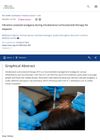
March 2024 in “Skin health and disease”
1 citations
,
March 2024 in “Skin health and disease” Vibration assisted analgesia reduces pain during corticosteroid therapy for alopecia.
 December 2023 in “Dermatology and therapy”
 Japanese patients and physicians often disagree on the severity of Alopecia Areata and treatment satisfaction, needing better communication and treatments.
 2 citations
,
October 2023 in “Dermatology and therapy”
2 citations
,
October 2023 in “Dermatology and therapy” Alopecia areata severely impacts quality of life, causing anxiety, depression, and work impairment.
 October 2023 in “Skin health and disease”
 Alopecia areata costs individuals about 3% of their income, with women, Asians, those with lower income, and more severe symptoms spending more.
21 citations
,
October 2023 in “Journal of Dermatological Treatment” Baricitinib effectively reduces hair loss in severe alopecia areata and is generally safe.
 September 2023 in “British Journal of Dermatology”
 Hair regrowth from severe alopecia areata treatment with baricitinib can vary, with faster results in those with shorter hair loss duration.
 2 citations
,
July 2023 in “Journal of dermatology”
2 citations
,
July 2023 in “Journal of dermatology” Alopecia areata causes a significant economic burden in Japan, mainly due to productivity loss.
 1 citations
,
June 2023 in “Dermatology and therapy”
1 citations
,
June 2023 in “Dermatology and therapy” People with Alopecia Areata have more herpes simplex infections but similar rates of cancer, blood clots, and heart disease compared to those without it.
227 citations
,
April 2023 in “The Lancet” Ritlecitinib effectively treats alopecia areata and is well-tolerated.
35 citations
,
November 2022 in “The Journal of Dermatology” Alopecia areata is becoming more common in Japan, with a need for better treatments, especially for severe and pediatric cases.
 7 citations
,
October 2022 in “Advances in Therapy”
7 citations
,
October 2022 in “Advances in Therapy” Current treatments for Alopecia Areata are unsatisfactory and need improvement.
 September 2022 in “Journal of Investigative Dermatology”
 Patient-reported outcomes better reflect the quality of life impact of alopecia areata than traditional severity scores.
 4 citations
,
July 2022 in “Journal of health economics and outcomes research”
4 citations
,
July 2022 in “Journal of health economics and outcomes research” Alopecia areata in US adolescents leads to significant healthcare costs and usage.
 20 citations
,
February 2022 in “British Journal of Dermatology”
20 citations
,
February 2022 in “British Journal of Dermatology” People with alopecia areata have a higher risk of depression and anxiety, and often face unemployment and work absences.
 11 citations
,
November 2021 in “BMJ Open”
11 citations
,
November 2021 in “BMJ Open” People with alopecia areata have higher rates of mental health issues, autoimmune diseases, and infections.
138 citations
,
March 2021 in “Journal of the American Academy of Dermatology” Ritlecitinib and brepocitinib effectively regrow hair in alopecia areata patients.
 12 citations
,
August 2020 in “JEADV. Journal of the European Academy of Dermatology and Venereology/Journal of the European Academy of Dermatology and Venereology”
12 citations
,
August 2020 in “JEADV. Journal of the European Academy of Dermatology and Venereology/Journal of the European Academy of Dermatology and Venereology” Azathioprine is the most continued treatment for chronic alopecia areata over a year, often with added low-dose prednisolone.
86 citations
,
January 2020 in “British Journal of Dermatology” The AA-IGA scale reliably measures treatment success in alopecia areata by considering both clinician and patient views.
19 citations
,
December 2019 in “Journal of the American Academy of Dermatology” 5 mg/mL of triamcinolone acetonide is most effective for hair regrowth with fewer side effects.
 54 citations
,
September 2019 in “Journal of the European Academy of Dermatology and Venereology”
54 citations
,
September 2019 in “Journal of the European Academy of Dermatology and Venereology” Tofacitinib is somewhat effective for alopecia areata, but more research is needed on its safety and long-term effects.
10 citations
,
July 2019 in “Indian Journal of Dermatology” Weekly azathioprine pulse is a better alternative to corticosteroids for treating alopecia areata due to fewer side effects.
89 citations
,
August 2018 in “JAMA Dermatology” Contact immunotherapy can improve hair regrowth in alopecia areata patients.
 102 citations
,
December 2017 in “The journal of investigative dermatology. Symposium proceedings/The Journal of investigative dermatology symposium proceedings”
102 citations
,
December 2017 in “The journal of investigative dermatology. Symposium proceedings/The Journal of investigative dermatology symposium proceedings” Restoring hair bulb immune privilege is crucial for managing alopecia areata.
 77 citations
,
June 2017 in “Advances in Therapy”
77 citations
,
June 2017 in “Advances in Therapy” New treatments for Alopecia Areata, like JAK inhibitors, show promise for hair regrowth and are likely to change future treatment approaches.
 16 citations
,
June 2017 in “Advances in Therapy”
16 citations
,
June 2017 in “Advances in Therapy” New treatments for hair loss are showing promise due to better understanding of genetics and the immune system.
 69 citations
,
April 2017 in “BMJ open”
69 citations
,
April 2017 in “BMJ open” Many people with alopecia experience high levels of social anxiety, anxiety, and depression, and while wigs can boost confidence, they may also cause anxiety.
31 citations
,
April 2016 in “Journal of the American Academy of Dermatology” Oral dexamethasone may help regrow hair in adults with alopecia totalis and universalis.
701 citations
,
August 2014 in “Nature medicine” Alopecia areata can be reversed by JAK inhibitors, promoting hair regrowth.
79 citations
,
December 2013 in “Journal of Investigative Dermatology Symposium Proceedings” Alopecia areata may be treated by restoring hair follicle immune privilege and adjusting immune responses.
49 citations
,
November 2013 in “JAMA dermatology” Clobetasol propionate, 0.05%, is more effective and safe for treating childhood alopecia areata than hydrocortisone, 1%.
 218 citations
,
April 2012 in “British Journal of Dermatology”
218 citations
,
April 2012 in “British Journal of Dermatology” Guidelines suggest various treatments for alopecia areata, but leaving it untreated is also an option as 80% cases may recover on their own.
717 citations
,
June 2010 in “Nature” Alopecia areata involves both innate and adaptive immunity, with specific genes linked to the disease.
97 citations
,
January 2006 in “Dermatology” imTA and pulse therapy are effective for alopecia areata with manageable side effects, but relapse rates need improvement.
 182 citations
,
October 2003 in “British Journal of Dermatology”
182 citations
,
October 2003 in “British Journal of Dermatology” The 2003 guidelines suggest that while some treatments can regrow hair in alopecia areata, none alter the disease's progression, and wigs may be the best option for extensive hair loss.