 December 2020 in “Daehanhanuihakoeji”
 Rumex japonicas Houttuyn ethanol extract helps increase hair growth and protect against hair damage.
200 citations
,
August 2009 in “Experimental dermatology” Eating high-glycemic foods and drinking milk may worsen acne by increasing insulin and IGF-1 levels.
132 citations
,
April 2005 in “Gastroenterology” A gluten-free diet significantly improves skin and health issues in people with dermatitis herpetiformis, a skin condition linked to celiac disease.
12 citations
,
July 2015 in “Experimental Dermatology” Gasdermin A3 overexpression in skin causes inflammation and hair loss.
 7 citations
,
December 2020 in “Endocrine-related Cancer”
7 citations
,
December 2020 in “Endocrine-related Cancer” The over-the-counter supplement DHEA could make COVID-19 worse, especially in diabetics and people with G6PD deficiency.
2 citations
,
December 2025 in “Annals of Medicine” Targeting senescent cells may offer new treatments for PCOS.
 January 2025 in “Dermatology and Therapy”
 Hormonal therapies effectively treat acne and improve quality of life.
July 2024 in “European Journal of Medicinal Chemistry” New small molecule drugs could help treat hair loss.
122 citations
,
December 2022 in “International Journal of Molecular Sciences” Nanoparticles improve skin treatment but need more research on safety and effectiveness.
 59 citations
,
August 2021 in “Frontiers in Endocrinology”
59 citations
,
August 2021 in “Frontiers in Endocrinology” GLP-1 receptor agonists, like Dulaglutide, Liraglutide, and Semaglutide, have potential benefits beyond the pancreas, including neuroprotection, pain suppression, cardiovascular protection, obesity management, and cancer treatment, but there are concerns about pancreatitis and pancreatic cancer risks.
48 citations
,
May 2021 in “Molecules” Plant extracts from dry flowers can be used as safe, effective dyes in cosmetics, offering skin protection and anti-aging benefits.
44 citations
,
April 2023 in “Genes & Diseases” Mesenchymal stem cells release substances that help tissue repair, and their effectiveness can be improved by understanding environmental influences.
29 citations
,
July 2013 in “Journal of Investigative Dermatology” UV radiation causes skin cancer, but sunscreens and certain drugs can help prevent it.
26 citations
,
January 2024 in “Gels” Nanoemulgels could effectively treat skin diseases and may replace or complement current therapies.
26 citations
,
December 2022 in “Molecules” Nanotechnology can improve treatments for skin discoloration.
25 citations
,
March 2024 in “Sustainability” Using food industry waste and fermentation can create sustainable cosmetics.
 18 citations
,
June 2019 in “Clinical research in dermatology”
18 citations
,
June 2019 in “Clinical research in dermatology” Acne can't be cured but can be managed with treatments like benzoyl peroxide and diet changes; it's costly and can lead to scarring and mental health issues.
11 citations
,
December 2021 in “Journal of Ginseng Research/Journal of ginseng research” Red ginseng oil is believed to have various health benefits and is safe, but more research is needed to fully understand how it works.
10 citations
,
May 2025 in “Nutrition & Metabolism” Metabolic syndrome is linked to skin diseases, requiring integrated treatment and monitoring.
 7 citations
,
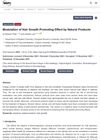
December 2021 in “Pharmaceutics”
7 citations
,
December 2021 in “Pharmaceutics” Natural products like plant extracts can help promote hair growth and could be used to treat hair loss.
6 citations
,
May 2025 in “Cosmetics” Sunscreen technology is improving with new ingredients and methods to better protect skin from sun damage.
3 citations
,
May 2025 in “Journal of Ovarian Research” m6A deregulation plays a key role in PCOS and could lead to new treatments.
 3 citations
,
January 2021 in “Journal of Research in Medical Sciences”
3 citations
,
January 2021 in “Journal of Research in Medical Sciences” Certain medications can impact metabolic syndrome, with some improving conditions like high blood sugar and others having no effect.
1 citations
,
May 2024 in “Journal of Clinical Medicine” Depression and skin autoimmune diseases are linked, needing combined care for better treatment.
 May 2026 in “Frontiers in Medicine”
 Androgenetic alopecia is linked to factors like age, family hair loss history, diet, and health conditions.
 April 2026 in “Biomolecules”
 New treatments for PCOS using smart drug delivery, metabolic changes, and AI show promise but need more research.
 April 2026 in “Metabolites”
 Chronic skin diseases and metabolic syndrome are linked by shared inflammation pathways.
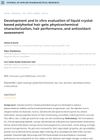 August 2025 in “Journal of Applied Pharmaceutical Research”
 F4 and F6 hair gels showed promise for improving hair care but need more testing.
July 2025 in “Carbohydrate Polymers” The green alga Parachlorella sp. has potential for use in cosmetics and health products due to its antioxidant, anti-hypertensive, and hair growth properties.
 November 2023 in “Brain Sciences”
 Some medications might contribute to male infertility, with finasteride showing a high number of reports.