April 2019 in “The journal of investigative dermatology/Journal of investigative dermatology” A specific mutation in the TRPV3 gene causes hair follicle cells to develop improperly, leading to hair loss.
 April 2017 in “Journal of Investigative Dermatology”
 The protein CTCF is essential for skin development, maintaining hair follicles, and preventing inflammation.
 April 2016 in “Journal of Investigative Dermatology”
 Sonic hedgehog signaling is needed for the development of touch-receptor cells in the skin, and the loss of Polycomb repressive complex 2 can lead to more of these cells.
 February 2014 in “Revista Argentina de Cardiología”
 Androgens may increase arrhythmias in Brugada Syndrome, while Finasteride could reduce them.
Finasteride causes reproductive changes in male rats.
September 2003 in “Faculty Opinions – Post-Publication Peer Review of the Biomedical Literature” GLABRA2 gene controls root-hair growth by regulating phospholipid signaling.
June 2003 in “Faculty Opinions – Post-Publication Peer Review of the Biomedical Literature” GLABRA2 represses root hair formation by inhibiting a specific gene.
January 2002 in “Linchuang pifuke zazhi” A young woman had a rare scalp tumor usually found in older women.
11 citations
,
April 2012 in “American Journal of Dermatopathology” Adenolipomas may develop from gland entrapment by fat tissue, showing complex and varied forms.
 23 citations
,
January 2017 in “Current Rheumatology Reports”
23 citations
,
January 2017 in “Current Rheumatology Reports” Unique fat cells near fibrotic areas contribute to systemic sclerosis progression.

Fat tissue can potentially treat a common form of hair loss called androgenic alopecia.
December 2023 in “Journal of Volgograd State Medical University” Different types of fat tissue play important roles in metabolism, heat production, and healing.
 218 citations
,
May 2014 in “Experimental Dermatology”
218 citations
,
May 2014 in “Experimental Dermatology” Skin fat cells help with skin balance, hair growth, and healing wounds.
December 2006 in “Experimental Dermatology” Adipose tissue acts as an endocrine organ affecting metabolism, skin, and stress response.
1 citations
,
December 2006 in “Experimental Dermatology” Adipocytes have diverse roles in energy storage, protection, tissue repair, and influence health and disease.
July 2024 in “LA Referencia (Red Federada de Repositorios Institucionales de Publicaciones Científicas)” Adipose tissue and eccrine gland displacement are common in certain alopecias but don't help differentiate between them.
 18 citations
,
May 2018 in “International Journal of Molecular Sciences”
18 citations
,
May 2018 in “International Journal of Molecular Sciences” Human body's immune cells are more common in the layer of fat just beneath the skin than in deeper fat layers.
63 citations
,
January 2021 in “Adipocyte” Adipose tissue-derived exosomes help regulate metabolism and may aid in disease treatment.
 18 citations
,
August 2021 in “PLoS ONE”
18 citations
,
August 2021 in “PLoS ONE” Melanocyte progenitor cells are found in human fat tissue and can become mature melanocytes, which may help treat skin issues.
4 citations
,
May 2023 in “Plastic & Reconstructive Surgery” Adipose tissue helps skin expand by increasing blood vessels and cell growth.

Adipocytes in atopic dermatitis skin change and worsen inflammation and fibrosis.
136 citations
,
September 2019 in “Journal of Clinical Investigation” Dermal adipose tissue in mice can change and revert to help with skin health.
 238 citations
,
March 2013 in “Development”
238 citations
,
March 2013 in “Development” Fat cells help recruit healing cells and build skin structure during wound healing.
 90 citations
,
February 2013 in “The Journal of Clinical Endocrinology and Metabolism”
90 citations
,
February 2013 in “The Journal of Clinical Endocrinology and Metabolism” Women with PCOS have more body fat and thicker fat layers in certain abdominal areas than women without PCOS.
 2 citations
,
April 2017 in “PubMed”
2 citations
,
April 2017 in “PubMed” Fat cells near hair follicles may affect hair growth and could help treat baldness.
 January 2015 in “Durham e-Theses (Durham University)”
 Adipose tissue changes in obesity can trigger stress in fat cells.
 58 citations
,
January 2013 in “The Journal of Clinical Endocrinology and Metabolism”
58 citations
,
January 2013 in “The Journal of Clinical Endocrinology and Metabolism” Obese women with PCOS show a male-like pattern in certain fat tissue gene expressions.
24 citations
,
May 2022 in “Frontiers in Endocrinology” Activating brown fat may help manage PCOS symptoms.
28 citations
,
July 2005 in “Journal of Investigative Dermatology” Sca-1+ cells in newborn mouse skin may become fat cells.
 August 2023 in “MOJ women's health”
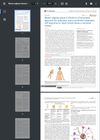
 Brown Adipose Tissue (BAT) could potentially treat Polycystic Ovary Syndrome (PCOS) by controlling energy balance and lipid homeostasis, but more human research is needed.