1 citations
,
December 2023 in “Life” PRP helps skin heal, possibly through special cells called telocytes.
1 citations
,
November 2023 in “Polymers” Polyurethane dressings show promise for wound healing but need improvements to adapt better to the healing process.
 1 citations
,
August 2023 in “Military Medical Research”
1 citations
,
August 2023 in “Military Medical Research” Smart hydrogel dressings could improve diabetic wound healing by adjusting to wound conditions and controlling drug release.
 1 citations
,
February 2023 in “International Journal of Molecular Sciences”
1 citations
,
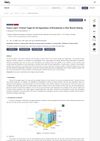
February 2023 in “International Journal of Molecular Sciences” The fascial layer is a promising new target for wound healing treatments using biomaterials.
1 citations
,
January 2023 in “International journal of molecular sciences” Rabbits with Sarcoptes scabiei had thicker skin, cell death, and skin hardening.
1 citations
,
November 2022 in “International journal of molecular sciences” Human fetal placental stromal cell injections speed up healing and improve skin and hair recovery after radiation damage.
 1 citations
,
May 2022 in “IntechOpen eBooks”
1 citations
,
May 2022 in “IntechOpen eBooks” Obesity leads to physical, metabolic, reproductive issues, higher healthcare costs, and mental health problems.
 1 citations
,
November 2021 in “European journal of medical and health sciences”
1 citations
,
November 2021 in “European journal of medical and health sciences” Growth factors-rich plasma treatments can significantly speed up wound healing and tissue regeneration.
 1 citations
,
January 2020 in “Agriculture, Forestry and Fisheries”
1 citations
,
January 2020 in “Agriculture, Forestry and Fisheries” The growth of the Chamaecyparis obtusa trees in Gyeongnam Province, South Korea, was evaluated.
1 citations
,
December 2025 in “International Journal of Molecular Sciences” Chitosan-based nanocomposites, especially with polyphenols, show promise for treating chronic wounds.
 June 2026 in “International Journal of Molecular Sciences”
 Targeting the Warburg effect in anaplastic thyroid carcinoma may reduce tumor growth and improve treatment.
Rice bran polysaccharides have potential uses in food, health, and cosmetics due to their beneficial bioactive properties.
 June 2026 in “Frontiers in Cell and Developmental Biology”
 LHX2 is crucial for development, tissue repair, and preventing diseases.
 May 2026 in “International Journal of Molecular Sciences”
 Hydroxytyrosol may help treat hair loss by reducing inflammation and oxidative stress.
 April 2026 in “Pharmaceutics”
 Cellulose-based skin dressings show promise for wound healing but need more research and clinical trials.
 April 2026 in “Nanomaterials”
 Plant-derived vesicles from Ayurvedic plants may improve treatment delivery for hair growth and other conditions.
 April 2026 in “The Open Biotechnology Journal”
 Resveratrol shows health benefits but faces challenges in effectiveness and regulation.
 April 2026 in “Amino Acids”
 Polyamines are crucial for skin tumor development, and inhibiting them can prevent tumors.
 April 2026 in “Preprints.org”
 Cold Atmospheric Plasma shows promise in treating aggressive breast cancer by targeting cancer cells while sparing normal tissue.
April 2026 in “Journal of Investigative Dermatology” Mechanotransduction aids healthy wound healing by promoting specific fibroblasts.
 March 2026 in “Molecules”
 Dang Gui may help treat immune-related diseases by boosting and regulating the immune system.
March 2026 in “Virulence” Vimentin and keratin help viruses spread and could be targets for antiviral treatments.
March 2026 in “Pharmaceutical Biology” Asiaticoside can improve wound healing after ESD by promoting tissue repair and reducing inflammation.
 March 2026 in “Journal of Nanotheranostics”
 Nanotechnology improves CRISPR-Cas9 delivery for cancer treatment, but challenges remain.
 February 2026 in “International Journal of Molecular Sciences”
 3D human skin models show promise for dermatology but face challenges in standardization and cost.
 February 2026 in “International Journal of Molecular Sciences”
 Combining hyperthermia with natural compounds and conventional treatments improves cancer therapy effectiveness and reduces side effects.
 February 2026 in “International Journal of Molecular Sciences”
 Extracellular vesicles show promise for medical use but face challenges in standardization and safety.
February 2026 in “Exploration” Advancements in gene therapy, stem cells, and biomaterials show promise for reducing scarring in wound healing, but face clinical challenges.
January 2026 in “Microsystems & Nanoengineering” New technologies replicate human skin for testing without animals.
January 2026 in “Pharmaceutics” New drug delivery systems show promise in effectively treating pathological scars.