41 citations
,
February 2021 in “Translational research” Non-coding RNAs could help detect and treat radiation damage.
32 citations
,
April 2020 in “BMC Developmental Biology” Ocu-miR-205 helps control hair growth in Rex rabbits by affecting cell processes and signaling pathways.
29 citations
,
January 2021 in “Journal of nanobiotechnology” Tiny particles from brain cells help hair grow by targeting a specific hair growth pathway.
24 citations
,
August 2021 in “Biologics” Stem cell therapy shows promise in improving burn wound healing.
22 citations
,
April 2022 in “Stem cell research & therapy” Hair follicle-derived extracellular vesicles may help heal chronic wounds as effectively as those from adipose tissue.
19 citations
,
January 2023 in “Frontiers in Bioengineering and Biotechnology” MSC-sEVs may effectively treat chronic non-healing wounds.
17 citations
,
November 2023 in “Journal of Biological Engineering” Antler stem cell exosomes improve wound healing and reduce scarring.
17 citations
,
May 2018 in “BMC genomics” Researchers found genes and microRNAs that control curly fleece in Chinese Tan sheep.
12 citations
,
May 2024 in “International Journal of Nanomedicine” Stem cell-derived vesicles show promise for healing diabetic wounds.
 12 citations
,
October 2021 in “Cells”
12 citations
,
October 2021 in “Cells” Targeting a protein that blocks hair growth with microRNAs could lead to new hair loss treatments, but more research is needed.
 11 citations
,
October 2021 in “Frontiers in Cell and Developmental Biology”
11 citations
,
October 2021 in “Frontiers in Cell and Developmental Biology” Non-coding RNAs are important for hair growth and could lead to new hair loss treatments, but more research is needed.
10 citations
,
January 2024 in “Burns & Trauma” Adipose stem cell-derived exosomes greatly improve wound healing.
9 citations
,
May 2025 in “Stem Cell Research & Therapy” Extracellular vesicles can both worsen and help treat age-related diseases and are useful for early diagnosis.
8 citations
,
January 2025 in “Cell Transplantation” MSC-derived EVs show promise for therapy, but production and understanding need improvement.
7 citations
,
June 2025 in “International Journal of Molecular Sciences” Vitexin shows promise as a cancer treatment by affecting key cellular processes and pathways.
 7 citations
,
December 2022 in “Frontiers in Bioengineering and Biotechnology”
7 citations
,
December 2022 in “Frontiers in Bioengineering and Biotechnology” Extracellular vesicles show promise for wound healing, but more research is needed to improve their stability and production.
7 citations
,
September 2022 in “International journal of molecular sciences” The research found that the molecule lncRNA-H19 helps hair follicle cells grow by affecting certain cell pathways in cashmere goats.
 3 citations
,
December 2023 in “Cell proliferation”
3 citations
,
December 2023 in “Cell proliferation” Stuff from umbilical cord stem cells helps skin heal and look younger.
 1 citations
,
June 2023 in “Cells”
1 citations
,
June 2023 in “Cells” Exosomes could be a promising way to help repair skin and treat skin disorders.
February 2026 in “Molecular and Cellular Probes” Stem cell and plant exosomes may help heal and regenerate skin.
January 2026 in “Burns & Trauma” RNA modifications help heal wounds and could lead to new treatments.
 October 2025 in “Gene Expression”
 Exosome therapy could be a promising new way to treat hair loss.
October 2025 in “International Journal of Molecular Sciences” Extracellular vesicles from mammary cells help heal skin wounds effectively.
January 2025 in “Cosmetics” Exosomes could improve skin care, but more research is needed to confirm their safety and effectiveness.
 December 2024 in “Pharmaceutics”
 Extracellular vesicles show promise for treating psoriasis by reducing inflammation and skin lesions.
April 2024 in “Biomolecules” Exosomal miRNAs from stem cells can help improve skin health and delay aging.
February 2024 in “Pharmaceutics” Microneedles with extracellular vesicles show promise for treating various conditions with targeted delivery.
November 2023 in “Biology” N6-methyladenosine affects hair follicle development differently in Rex and Hycole rabbits.
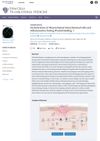 July 2023 in “Stem Cells Translational Medicine”
 Mesenchymal Stem/Stromal Cells (MSCs) help in wound healing and tissue regeneration, but can also contribute to tumor growth. They show promise in treating chronic wounds and certain burns, but their full healing mechanisms and potential challenges need further exploration.
Stem cell therapy shows promise for better burn healing but needs more research and standardization.