 November 2024 in “Circulation”
 GLP1-RAs may have higher reports of suicide and hair loss, but no strong evidence links them to these issues.
 August 2023 in “International Ayurvedic medical journal”
 Ayurvedic treatment successfully regrew hair in a 7-year-old girl with alopecia areata.

Modern skin cancer treatments can cause skin side effects and hair loss, affecting patients' quality of life.

Inhibiting AP-1 changes skin tumor types and affects tumor cell identity.

Inhibiting AP-1 changes skin tumor types and affects tumor cell identity.
 January 2023 in “Acta dermatovenerologica Alpina, Pannonica et Adriatica (Tiskana izd.)”
 The article concludes that schoolchildren and adolescents experienced various skin issues during the COVID-19 pandemic, including acne from masks and other skin reactions from the virus and vaccines.
 January 2016 in “Kafkas Journal of Medical Sciences”
 Turkish pregnant women commonly experienced skin issues like itching and acne, and doctors mainly used topical treatments due to safety concerns during pregnancy.
September 2006 in “Experimental Dermatology” Targeting multiple pathways and understanding genetic mutations are crucial for effective melanoma therapy.
 July 2026 in “Zenodo (CERN European Organization for Nuclear Research)”
 Ayurvedic treatment significantly reduced hair fall in a 10-year-old girl within a month.
 July 2026 in “Zenodo (CERN European Organization for Nuclear Research)”
 Ayurvedic treatment significantly reduced hair fall in a 10-year-old girl within a month.
 July 2026 in “International Journal of Applied Pharmaceutics”
 Hair dyes, especially with PPD, can cause skin and rare systemic reactions, and safer alternatives are needed.
 June 2026 in “International Journal of Ayurvedic Medicine (Hyderabad)”
 Asthimajjapachak Churna (AMC) is more effective for reducing hair fall than Shwadamshtradi Rasayana Churna (SRC).
June 2026 in “International Journal of Ayurvedic Medicine” Asthimajjapachak Churna is more effective than Shwadamshtradi Rasayana Churna for reducing hair fall.
June 2026 in “British Journal of Dermatology” Amivantamab treatment often causes skin issues that can affect quality of life and treatment continuation.
 April 2026 in “SHILAP Revista de lepidopterología”
 Early diagnosis and treatment of myositis in SLE patients lead to better outcomes.
January 2026 in “Zenodo (CERN European Organization for Nuclear Research)” Ayurvedic treatments significantly improved hair regrowth in a woman with alopecia areata.
January 2026 in “Zenodo (CERN European Organization for Nuclear Research)” Ayurvedic treatments helped regrow hair and reduce bald patches in a woman with alopecia areata.
 January 2026 in “Acta Dermatovenerologica Alpina Pannonica et Adriatica”
 Accurate diagnosis is crucial for effectively treating severe alopecia and related symptoms.
January 2026 in “Case Reports in Rheumatology” Rituximab improved her dermatomyositis better than usual treatments.
Early diagnosis and treatment of myositis in SLE patients lead to positive outcomes.
January 2026 in “Clinical Journal for Nurse Practitioners in Women s Health” Pregnancy can cause skin changes, some harmless and others risky, needing careful management.
December 2025 in “Biomedicines” Tyrosine kinase inhibitors for endocrine tumors often cause skin issues, requiring early management and treatment adjustments.
 November 2025 in “Pacific Journal of Medical Research”
 Skin issues are common in lupus patients, highlighting the need for thorough skin checks.
 November 2025 in “Zenodo (CERN European Organization for Nuclear Research)”
 Low calcium levels and dietary issues are linked to hair loss, suggesting a combined Ayurvedic and nutritional approach for prevention.
 November 2025 in “Zenodo (CERN European Organization for Nuclear Research)”
 Low calcium and dietary issues may contribute to hair loss.
September 2025 in “Mansoura Journal of Chemistry” Blood and urine markers are important for diagnosing lupus in children.
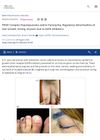 August 2025 in “JEADV Clinical Practice”
 PRIDE complex side effects from EGFR inhibitors can be managed without stopping treatment.

Early biotin treatment can reverse symptoms of congenital biotinidase deficiency.
August 2025 in “International Ayurvedic Medical Journal” Ayurvedic treatments can effectively manage hair fall.
 August 2025 in “Indian Dermatology Online Journal”
 Metaphors like "butterfly rash" and "moth-eaten" help doctors identify and describe skin conditions.