
Technology enhances human design thinking, creating new possibilities.
 April 2026 in “Inflammopharmacology”
 Punica granatum leaf extract may help treat skin fibrosis by reducing inflammation and oxidative stress.

Technology expands design thinking possibilities, requiring a hybrid, reflective approach.
 April 2026 in “Brazilian Journal of Hair Health”
 Combining exosomes with microneedling may improve hair growth in androgenetic alopecia.
 April 2026 in “Laboratory Animal Research”
 The new Hairless R/J mice model improves imaging for tumor monitoring and cancer therapy evaluation.
 April 2026 in “International Journal of Allied Medical Sciences and Clinical Research”
 The polyherbal hair serum is a safe and effective alternative for reducing dandruff and strengthening hair.
 March 2026 in “Plastic and Aesthetic Research”
 Adipose-derived stem cell exosomes can help reduce skin aging from UV exposure.
 March 2026 in “Trends in Sciences”
 A mouse model was created to study hair loss similar to humans.
 March 2026 in “Frontiers in Cell and Developmental Biology”
 Photobiomodulation may help reduce pain and inflammation in knee osteoarthritis, but its long-term benefits are unclear.
 March 2026 in “Aging Research”
 Personalized anti-aging strategies are important, considering genetics and lifestyle.
 February 2026 in “Clinical Cosmetic and Investigational Dermatology”
 Low humidity changes skin gene expression, but emollients can help manage these changes.
 January 2026 in “Scientific Reports”
 Sesamin may help treat hair loss by affecting specific cell pathways.
 January 2026 in “Nano-Micro Letters”
 4D scaffolds made with melt electrowriting can change shape for use in medicine.
 January 2026 in “Frontiers in Materials”
 Metal-organic frameworks help heal wounds by effectively delivering medicine.
 January 2026 in “Frontiers in Pharmacology”
 Sanhuang Fukang oil helps heal radiation skin injuries by reducing inflammation and cell death.
 January 2026 in “Animal Advances”
 Genes linked to coat color and fiber length in Chinese goats were identified.
 January 2026 in “Journal of Hard Tissue Biology”
 Red LED light boosts cell activity and growth, aiding wound healing and blood vessel repair.
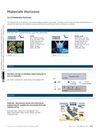 January 2026 in “Materials Horizons”
  December 2025 in “Aesthetic Plastic Surgery”
 The new near-infrared LED device improves skin and hair with no side effects.
 November 2025 in “Nanoscale Advances”
 Inorganic nanoparticle-based scaffolds can improve wound healing by fighting bacteria and helping tissue grow.
 November 2025 in “Frontiers in Nutrition”
 Better nutrition may reduce fecal incontinence in stroke patients by lowering inflammation and improving antioxidant levels.
 November 2025 in “Frontiers in Immunology”
 Immune cells are crucial for normal skin development and their dysfunction can cause skin disorders.
 November 2025 in “Medical alphabet”
 Physiotherapy methods can effectively stimulate hair growth in telogen alopecia.
 November 2025 in “EXPERIMENTAL ANIMALS”
 Stingless bee propolis may help regenerate hair follicles and improve pigment function in chemotherapy-induced hair loss.
 October 2025 in “Records of Natural Products”
 Kaempferol promotes hair growth and could be a natural treatment for hair loss.
 October 2025 in “SAR Journal of Medical Biochemistry”
 Moringa oleifera seeds may be a safer alternative to standard antihelminthic drugs.
August 2025 in “Tropical Journal of Natural Product Research” Celery extract and candlenut oil effectively and safely boost hair growth.
 July 2025 in “Scientific Reports”
 Six key genes can predict bladder cancer outcomes and may serve as prognostic biomarkers.
 June 2025 in “Jurnal Mandala Pharmacon Indonesia”
 Etlingera alba extract may help treat breast cancer with fewer side effects.
 May 2025 in “Scientific Reports”
 Geraniol effectively treats scabies and is safe for use.