32 citations
,
June 2024 in “Pharmaceutics” Nanoformulations improve drug delivery through the skin, reducing side effects and enhancing effectiveness.
7 citations
,
November 2025 in “Pharmaceutics” Polymer- and lipid-based nanostructures can improve wound healing by controlling contamination, supporting cell growth, and aiding tissue repair.
2 citations
,
December 2023 in “Pharmaceutics” Inhaling medicine may reduce side effects and improve treatment for a major lung cancer type.

Nanoformulations improve luteolin's effectiveness as a cancer treatment.
24 citations
,
November 2023 in “Regenerative Biomaterials” Metal ions can help treat heart diseases by protecting cells and repairing tissues.
1 citations
,
December 2025 in “International Journal of Molecular Sciences” Chitosan-based nanocomposites, especially with polyphenols, show promise for treating chronic wounds.
January 2026 in “Pharmaceutics” New drug delivery systems show promise in effectively treating pathological scars.
91 citations
,
August 2024 in “Acta Pharmaceutica Sinica B” Microneedles can improve skin disease treatment by delivering drugs directly through the skin.
61 citations
,
April 2023 in “Bioactive Materials” Microneedles are effective for painless drug delivery and promoting wound healing and tissue regeneration.
24 citations
,
March 2020 in “Cells” Natural small molecules can help treat diseases by activating or inhibiting the Wnt pathway.
13 citations
,
November 2021 in “Frontiers in Molecular Biosciences” Reducing reactive oxygen species can help treat nerve damage from platinum cancer drugs.
9 citations
,
August 2024 in “Frontiers in Pharmacology” Natural products may be safer and effective alternatives for managing heart attacks.
2 citations
,
June 2025 in “MedComm – Biomaterials and Applications” Plant-based antioxidants can help heal diabetic wounds by reducing stress, infections, and inflammation.
1 citations
,
October 2025 in “International Journal of Molecular Sciences” Natural compounds may help treat advanced papillary thyroid cancer by targeting specific molecular pathways.

Polydopamine is promising for personalized medicine and biomedical technology due to its strong adhesion and biocompatibility.
 February 2026 in “International Journal of Molecular Sciences”
 Combining hyperthermia with natural compounds and conventional treatments improves cancer therapy effectiveness and reduces side effects.
 January 2026 in “Preprints.org”
 Nanotechnology shows promise for treating hair loss but faces safety and approval challenges.
 July 2024 in “Science and Culture”
 Thuja orientalis L. has many health benefits and could be used in new medicines.
 76 citations
,
July 2019 in “Scientific Reports”
76 citations
,
July 2019 in “Scientific Reports” Baicalin nanocapsules greatly enhance its anticancer effects on breast cancer cells.
 15 citations
,
December 2016 in “Advanced Pharmaceutical Bulletin”
15 citations
,
December 2016 in “Advanced Pharmaceutical Bulletin” The new cream with N-acetyl glucosamine didn't change skin color after 8 weeks.
 15 citations
,
May 2016 in “Die Pharmazie”
15 citations
,
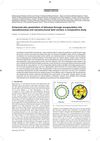
May 2016 in “Die Pharmazie” Nanostructured lipid carriers deliver lidocaine to the skin better than nanoethosomes.
 1 citations
,
December 2023 in “Annals of Phytomedicine An International Journal”
1 citations
,
December 2023 in “Annals of Phytomedicine An International Journal” Nanoemulgel improves delivery and effectiveness of plant-based drugs for various conditions.
 June 2026 in “International Journal of Drug Delivery Technology”
 The developed aloe vera gel with green tea and fenugreek extracts may effectively treat hair loss.
 June 2026 in “International Journal of Drug Delivery Technology”
 Herbal remedies show promise for managing premature hair greying but need more research.

Optimized liposomes can improve drug delivery and effectiveness.
 January 2026 in “Frontiers in Natural Products”
 Combining shikimic acid and Prunus mume extract may effectively treat acne naturally.
Plant compounds may help manage PCOS, endometriosis, and menstrual issues.

Selenium is essential for health, but too little or too much can cause serious health problems.
 April 2025 in “Indian Journal of Pharmaceutical Education and Research”
 Nanofibers improve skincare products by enhancing drug delivery and hydration.
 March 2025 in “Scientific Reports”
 Menthol-based microemulsions improve skin delivery of finasteride and silodosin.