 May 2026 in “İzmir Katip Çelebi Üniversitesi Sağlık Bilimleri Fakültesi Dergisi”
 3D printed alginate-gelatin hydrogels are promising for drug delivery and testing treatments for diseases like Alzheimer's.
 May 2026 in “The EMBO Journal”
 Skin aging can be slowed by targeting cells, hormones, and the microbiome.
 May 2026 in “Organoid Research”
 Hydrogel-based hair follicle organoids could help treat hair loss and improve drug testing.
 April 2026 in “International Journal of Research and Review”
 Gout should be managed by lowering uric acid levels, not just treating pain.
 April 2026 in “Quality in Sport”
 Anabolic-androgenic steroids increase the risk of heart problems.
 April 2026 in “Journal of Pharmaceutical Investigation”
 Nanotechnology could improve treatment for scars and atopic dermatitis by targeting skin issues more effectively.
 March 2026 in “Tissue Engineering and Regenerative Medicine”
 Dopamine-modified adhesives are improving for sticking tissues underwater.
 March 2026 in “Current Research in Diabetes & Obesity Journal”
 Skin conditions can signal diabetes and insulin resistance.
 March 2026 in “The Indian Journal of Animal Sciences”
 All Indian dromedary camel breeds have the same KRTAP7 gene affecting hair quality.
 March 2026 in “Frontiers in Physiology”
 Antioxidant treatments may help reduce Acute Mountain Sickness, but more research is needed.
 March 2026 in “Aging Research”
 Personalized anti-aging strategies are important, considering genetics and lifestyle.
 February 2026 in “Bioimpacts”
 3D bioprinted hydrogels could improve diabetic wound healing but face challenges like limited blood supply and scalability.
 February 2026 in “Scientific Reports”
 The model effectively mimics radiation-induced skin damage for future research.
 February 2026 in “Diabetes Metabolic Syndrome and Obesity”
 Higher basal metabolic rate increases the risk of non-alcoholic fatty liver disease, especially in Chinese people, and may require tailored management.
 January 2026 in “The Eurasian Journal of Life Sciences”
 Pectin nanofibers show promise for medical use due to their unique properties.
 January 2026 in “Frontiers in Immunology”
 Timely treatment of eosinophilic asthma in rheumatic disease patients can prevent organ damage.
 January 2026 in “Nano-Micro Letters”
 4D scaffolds made with melt electrowriting can change shape for use in medicine.
 January 2026 in “International Journal of Applied Pharmaceutics”
 Nanoparticle-embedded microneedles improve drug delivery through the skin but face challenges in stability and safety.
 January 2026 in “Quality in Sport”
 Isotretinoin can safely and effectively control acne with proper risk management and monitoring.
 January 2026 in “RSC Advances”
 The hydrogel speeds up diabetic wound healing and reduces scarring.
 December 2025 in “Journal of AI”
 The USA, China, Italy, and Türkiye lead in diverse PRP research, focusing on healing and pain management.
 December 2025 in “Frontiers in Nutrition”
 Collagen supplements may improve skin, joints, and recovery, especially with added nutrients.
 December 2025 in “Yemeni Journal of Agriculture & Veterinary Sciences”
 Many sheep and goats in Sana’a, Yemen, lack essential minerals and need supplements for better health.
 November 2025 in “Frontiers in Nutrition”
 Olive leaf extract may help reduce aging signs in postmenopausal women.

New-onset fibromyalgia after COVID-19 is poorly understood, needing better definitions and studies.
 September 2025 in “Drug Design Development and Therapy”
 Combining platelet-rich products, biomaterials, and bioactive substances may improve skin treatment, but more research is needed.
 August 2025 in “Frontiers in Immunology”
 People with alopecia areata have a higher risk of heart disease.
 May 2025 in “The Journal of Rheumatology”
 A woman with skin and joint issues progressed from one type of lupus to another, highlighting the need to recognize complex conditions.
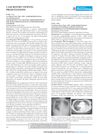 May 2025 in “The Journal of Rheumatology”
 Early diagnosis and treatment are crucial for CAPS, and Eculizumab can be effective.
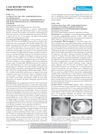 May 2025 in “The Journal of Rheumatology”
 Trans-esophageal echocardiography is crucial for accurately diagnosing heart issues in lupus patients.