 March 2026 in “Frontiers in Immunology”
 Regulatory T cells help heal skin wounds by reducing inflammation and promoting tissue repair.
 March 2026 in “Folia Histochemica et Cytobiologica”
 LTBP1 is a key regulator in diseases and a potential target for new treatments.
 March 2026 in “Calcified Tissue International”
 The EDA pathway plays a key role in bone development by interacting with other signaling pathways.
 March 2026 in “Frontiers in Cell and Developmental Biology”
 Photobiomodulation may help reduce pain and inflammation in knee osteoarthritis, but its long-term benefits are unclear.
 January 2026 in “Frontiers in Pharmacology”
 Wedelolactone may help treat inflammation, infections, cancer, bone loss, and organ damage.
 January 2026 in “Frontiers in Cell and Developmental Biology”
 Platelet-derived products can help regenerate the temporomandibular joint by enhancing natural healing processes.
 January 2026 in “Frontiers in Immunology”
 Icariin can regulate macrophages and may help treat inflammation, cancer, bone disorders, and fibrotic diseases.
 January 2026 in “Food and Feed Research”
 Bananas have many health benefits, including treating diarrhea, diabetes, and colds.
 January 2026 in “Military Medicine”
  January 2026 in “Food Science and Human Wellness”
 Flammulina velutipes polysaccharide helps the immune system fight tumors by activating certain pathways.
 January 2026 in “Journal of Biomedical Research”
 Small extracellular vesicles from stem and immune cells show promise for treating various diseases but face challenges in clinical use.
 January 2026 in “Florence Research (University of Florence)”
 Wound healing involves four phases with various cells, but more research is needed on certain interactions.
 December 2025 in “Ciencia Latina Revista Científica Multidisciplinar”
 Nanotechnology shows promise in improving hair loss treatments by enhancing drug delivery and reducing side effects.
 December 2025 in “Naunyn-Schmiedeberg s Archives of Pharmacology”
 Agomelatine may help reduce benign prostatic hyperplasia by blocking certain inflammatory pathways.
 December 2025 in “Frontiers in Immunology”
 Restoring nerve-macrophage communication may help treat autoimmune diseases.
 November 2025 in “Frontiers in Immunology”
 Stem cell activity influences autoimmune disease outcomes by affecting immune responses and tissue regeneration.

A new microneedle patch helps repair spinal cord injuries by reducing scarring and promoting nerve growth.
Selenium is essential for health, but too little or too much can cause serious health problems.
 September 2025 in “Journal of Phytonanotechnology and Pharmaceutical Sciences”
 Licorice has health benefits but can also cause side effects, so it should be used carefully.
 August 2025 in “International Journal of Scientific Research in Biological Sciences”
 Higher levels of DHEA and TNF-α are linked to PCOS symptoms.
 August 2025 in “Fabad Journal of Pharmaceutical Sciences”
 Cuscuta reflexa has potential medicinal benefits but needs more research for clinical use.
 July 2025 in “Frontiers in Bioengineering and Biotechnology”
 More research and standardization are needed for effective hypospadias treatment using tissue engineering.
 July 2025 in “International Journal of Dermatology Venereology and Leprosy Sciences”
 Microneedling may improve melasma treatment by boosting topical therapy effectiveness.
 July 2025 in “Bulletin de la Banque Méllié Iran.”
 Spirulina extract helps stem cells become neuron cells safely.
Managing oxidative stress and inflammation is crucial for better hair transplant results.
 April 2025 in “International Journal of Ayurvedic Medicine”
 Semecarpus anacardium Linn. may have health benefits, but more research is needed to confirm its safety and effectiveness.
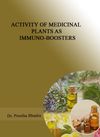
Tridax procumbens may boost the immune system.
 January 2025 in “Journal of Pharmacognosy and Phytochemistry”
 Vitex negundo has potential health benefits, including anti-inflammatory and anti-cancer effects.
 January 2025 in “Scripta Medica”
 Natural hydrolates may improve burn healing and fight antibiotic resistance.
 January 2025 in “Exploratory Animal and Medical Research”
 Lithium carbonate and lead acetate together harm the heart more than individually.