 1 citations
,
January 2010 in “Elsevier eBooks”
1 citations
,
January 2010 in “Elsevier eBooks” Any drug can cause skin reactions, but antibiotics, NSAIDs, and psychotropic drugs are more common, with some reactions being life-threatening.
 1 citations
,
January 2009 in “Elsevier eBooks”
1 citations
,
January 2009 in “Elsevier eBooks” The document concludes that a deeper understanding of skin aging and photodamage is needed to create better skin treatments.
 1 citations
,
November 2005 in “Dermatologic Surgery”
1 citations
,
November 2005 in “Dermatologic Surgery” Aminoguanidine increases VEGF in stored hair micrografts, potentially improving their viability after transplant.
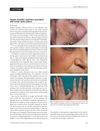 1 citations
,
February 2004 in “Journal of The European Academy of Dermatology and Venereology”
1 citations
,
February 2004 in “Journal of The European Academy of Dermatology and Venereology” Hair loss improved with treatment and successful transplant.
 July 2026 in “Lasers in Medical Science”
 Fractional microneedle radiofrequency is effective and safe for skin rejuvenation and acne scars.
 June 2026 in “International Journal of Drug Delivery Technology”
 Fast-dissolving nifedipine tablets were successfully developed for better oral delivery.
 June 2026 in “Frontiers in Bioengineering and Biotechnology”
 Hair follicle systems are being engineered to better mimic natural hair follicles for studying hair disorders and testing treatments.
 June 2026 in “Functional Foods in Health and Disease”
 Olive leaf extract may help improve skin aging, especially for those who don't exercise regularly.
 June 2026 in “Frontiers in Aging”
 Homeodynamic Rejuvenation aims to improve skin's stress management and recovery to combat aging.
 June 2026 in “GSC Advanced Research and Reviews”
 Jojoba oil is beneficial for skin, hair, and health but has economic challenges for large-scale farming.
 May 2026 in “Frontiers in Cell and Developmental Biology”
 Collagen networks play a key role in hair loss and follicle miniaturization.
 May 2026 in “Research Square”
 Combining scalp cooling with a special lotion helps prevent severe hair loss in breast cancer patients undergoing chemotherapy.
 May 2026 in “Scientific and Technical Bulletin оf State Scientific Research Control Institute of Veterinary Medical Products and Fodder Additives аnd Institute of Animal Biology”
 Zinc carbonate nanoparticles are not irritating or absorbed by the skin.
 May 2026 in “The EMBO Journal”
 Skin aging can be slowed by targeting cells, hormones, and the microbiome.
 April 2026 in “International Journal of Drug Delivery Technology”
 Lactobacillus acidophilus substances can kill and stop the spread of cervical cancer cells.
 March 2026 in “Berkala Ilmu Kesehatan Kulit dan Kelamin”
 Wearing headscarves does not cause hair loss.
 March 2026 in “Collagen and Leather”
 The hydrogel speeds up wound healing and fights bacteria, making it great for emergency use.
 March 2026 in “Research Square”
 Polymer dot nanozymes and exosomes, with laser stimulation, speed up wound healing.
 March 2026 in “BioScience Trends”
 UV radiation causes skin aging by damaging cells and triggering harmful processes.
 March 2026 in “Plastic and Aesthetic Research”
 Adipose-derived stem cell exosomes can help reduce skin aging from UV exposure.
 March 2026 in “Molecular and Cellular Biomedical Sciences”
 EH-MSCs may help treat hair loss by reducing inflammation.

Experts created guidelines to better diagnose and treat uncommon fungal skin infections.

Moderate facial angiofibroma significantly reduces quality of life compared to almost-clear cases, highlighting the benefits of treatment.
 February 2026 in “Frontiers in Bioengineering and Biotechnology”
 Liposome-based systems improve skin wound healing effectively.
 February 2026 in “Editora Pasteur eBooks”
 A comprehensive, personalized approach is needed for treating female pattern hair loss and obesity, involving multiple medical disciplines and lifestyle changes.
 January 2026 in “Frontiers in Pharmacology”
 Personalized medicine and new technologies offer promising strategies for better skin disease treatments.
 January 2026 in “RSC Advances”
 Panax notoginseng may help with oral ulcers and hair growth.
 December 2025 in “MEDFARM Jurnal Farmasi dan Kesehatan”
 Topical metformin shows promise for treating skin conditions like acne and psoriasis.
 December 2025 in “Journal of Education Health and Sport”
 Green tea may help relieve PCOS symptoms, but more research is needed.
 December 2025 in “GeroScience”
 Genetics, epigenetics, and lifestyle all influence facial skin aging.