 July 2026 in “npj Regenerative Medicine”
 Gli2 and Serpinh1 are key for skin wound healing by helping fibroblasts close wounds.
 July 2026 in “Journal of Nanobiotechnology”
 The hydrogel helps treat hair loss by reducing harmful molecules and improving blood flow to hair follicles.
 June 2026 in “Revista Brasileira de Saúde”
 Exosomes could help treat hair loss, but more research and standardization are needed.

Single-cell omics can improve sheep and goat breeding by enhancing traits like wool quality and fertility.
 June 2026 in “Frontiers in Cell and Developmental Biology”
 LHX2 is crucial for development, tissue repair, and preventing diseases.
 June 2026 in “Frontiers in Immunology”
 Understanding tissue remodeling can help create precise treatments for various organ issues.
 May 2026 in “The EMBO Journal”
 Skin aging can be slowed by targeting cells, hormones, and the microbiome.

A reliable method was developed to measure gemcitabine and olaparib in pancreatic tissue, aiding pancreatic cancer treatment.
 May 2026 in “Endocrine Connections”
 Androgenetic alopecia in PCOS is linked to insulin resistance, inflammation, and genetics, not just hormones.
 April 2026 in “International Journal of Molecular Sciences”
 Targeting non-Smad pathways in TGF-β signaling may improve keloid treatment.
 April 2026 in “Cosmetics”
 Robotic systems in cosmetic surgery show promise but face challenges like high costs and need more research and training.
April 2026 in “Scientific Reports” The tool accurately tracks eyebrow hair loss in chemotherapy patients.
April 2026 in “Future Medicinal Chemistry” PROTACs have become a breakthrough in medicine by effectively targeting and degrading specific proteins to treat diseases.
 April 2026 in “Trends in biotechnology”
 Nanozymes have potential for medical use but face challenges like safety and regulation.
 March 2026 in “International Journal of Pharmaceutics and Drug Analysis”
 A reliable, cost-effective method was developed for accurately measuring finasteride in medicines.
 March 2026 in “Biomedicines”
 Antera 3D® offers more precise and detailed scar assessment than traditional methods.
March 2026 in “Bioconjugate Chemistry” Peptide-based PROTACs show promise in targeting hard-to-treat proteins, especially for cancer therapy.
 March 2026 in “Preprints.org”
 Robotic systems in cosmetic surgery are promising but need more development and research.
CAR-T cell therapy shows promise for treating autoimmune disorders but faces challenges like complex manufacturing and limited tissue penetration.
 March 2026 in “Folia Histochemica et Cytobiologica”
 LTBP1 is a key regulator in diseases and a potential target for new treatments.
 February 2026 in “Biomedicines”
 Nanotechnology offers promising new treatments for hair loss by improving targeted delivery and addressing key causes.
February 2026 in “Small Ruminant Research” The IRF2BP2 gene affects sheep fleece quality by influencing fiber traits.
 February 2026 in “Chromatographia”
 A reliable method was developed to detect hair growth compounds in products, ensuring safety and compliance.
February 2026 in “Exploration” Advancements in gene therapy, stem cells, and biomaterials show promise for reducing scarring in wound healing, but face clinical challenges.
January 2026 in “Microsystems & Nanoengineering” New technologies replicate human skin for testing without animals.
January 2026 in “Immunological Reviews” Females generally have stronger immune responses than males due to the X chromosome.
 January 2026 in “The Operating Room Global Journal”
 Imaging-guided techniques improve safety and outcomes in regenerative aesthetics, but more research is needed for standardized guidelines.
 January 2026 in “Cosmetics”
 New regenerative treatments show promise in improving hair growth for androgenetic alopecia.
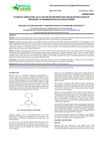 January 2026 in “International Journal of Applied Pharmaceutics”
 The method accurately measures Minoxidil in drugs and is reliable for routine use.
January 2026 in “Regenerative Biomaterials” Advanced hydrogels can autonomously deliver drugs to treat radiation skin injuries, but challenges remain for clinical use.